

Introduction to robotics: types of motors
A motor is what turns code into motion. Everything else depends on the choice of motor: what power supply is needed, which controller, which bus to communicate with it, how much a joint will cost, and whether the robot can even stand up.

The Lewis Model: why the Finn stays silent, the Italian interrupts and the German asks for a spec
Six people in a meeting. The German asks where the spec and the acceptance criteria are.

Turbo Stream Actions: An Interactive Atlas of DOM Operations
A Turbo Stream is a small declarative command over an already existing DOM: find the target, take HTML from a <template> , and perform one operation. To understand this mechanism you do not need a Rails controller, a WebSocket, or even a network request.
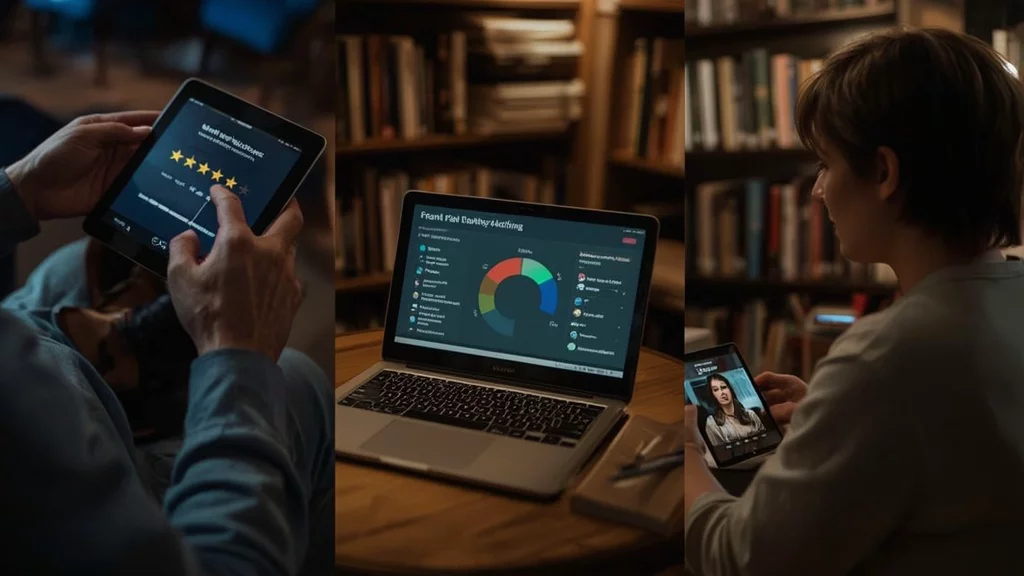
A review system: trust, UI, and features
Not long ago I was designing a review system, and the core idea was this: the site should become more trustworthy because of words from real people . Not because of a pretty description from a copywriter.

Pangalink today (2026): iPizza architecture and cloud alternatives
Eighteen years ago I wrote about pangalink in an article full of Estonian kroons, Hanza and Sampo banks, and a 750-kroon setup fee. That text now reads like archaeology: half the banks are gone, the currency is gone, the public test service shut down, and a whole industry grew up next to it that does the same job diffe...

How Rails builds a page with content_for and yield
This article is about one small pair of tools: `yield` and `content_for`. They look trivial until you have to answer "in what order does this actually run" - and especially "what happens if I declare a section that nobody outputs".

Stimulus from Scratch: JavaScript That Lives in Your Markup
This article is for people who write server-rendered HTML and want to add interactivity to it without standing up a separate client-side application. No prior knowledge of Hotwire is required: we will go from the very first controller all the way to controllers talking to each other.

Eager, lazy, and batch: when should an application load data
Eager loading in Rails, `await import()` in Node.js, DataLoader in GraphQL, and `loading="lazy"` on an image look like four unrelated techniques from different layers of the stack. In reality, they are four answers to the same question: **when does the system pay for a resource that may or may not be needed**?

HDR Photos: What's Inside a JPEG with a Gain Map
On an HDR display, the sun or a highlight in a photograph can sometimes look brighter than the white background of a page. Let's break down, without magic, where the screen gets the instruction to make individual pixels brighter.

README.md - how to document your repo
Use github for documentation. For multiple services, use separate repo.

Turbo Frames from Scratch: Interactive Rails Without an SPA
In Rails, you can build an interactive interface without a separate JSON API, global client-side state, or a React application. The server keeps rendering HTML, and the browser replaces only the fragment that needs to change.

Business Goals and Alignment: What Took Me So Long to Understand as a Programmer
I have been writing code for almost twenty years, and only in the last few years have I finally formed a picture of **why** it is being written. Not just "which feature was requested", but what change it is supposed to produce in the business and how we will know that it did.
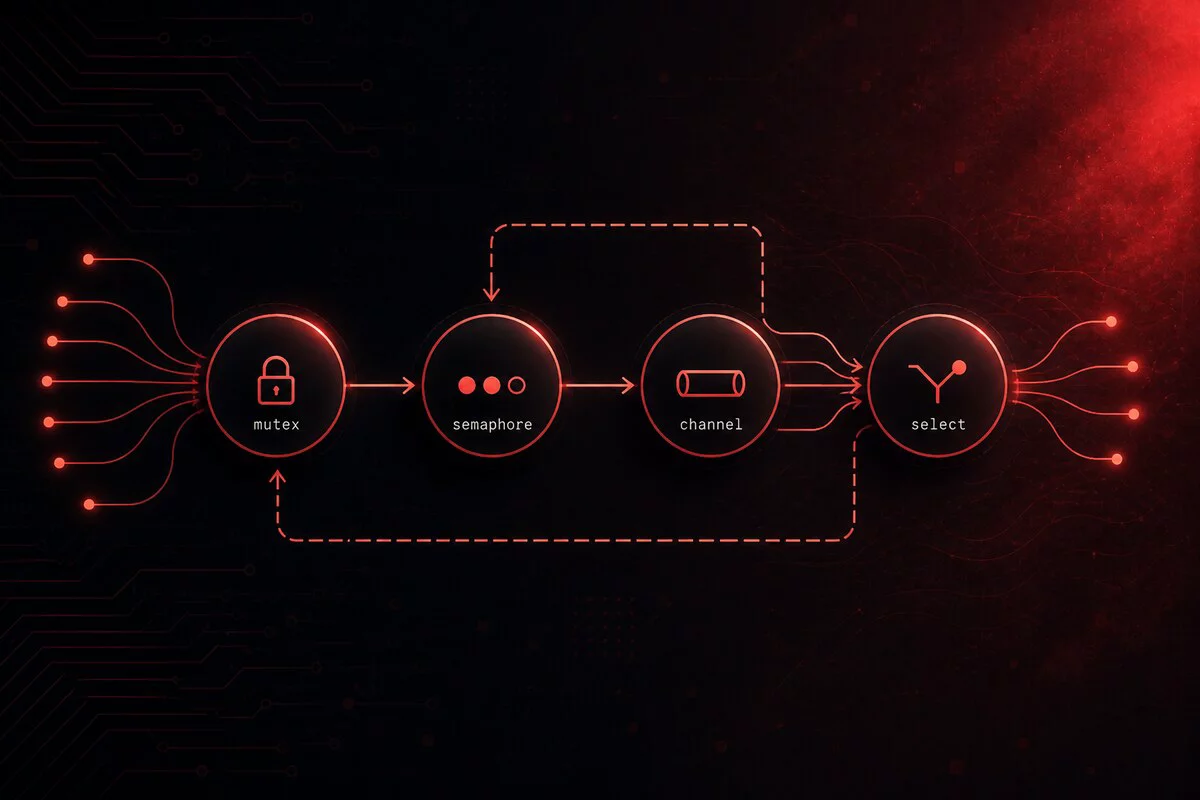
Go, Together: A Visual Guide to Go Concurrency
Concurrency becomes easier when you can see it. Run these small models to watch goroutines compete for shared state, wait for permits, pass values through channels, and react to whichever operation becomes ready first.
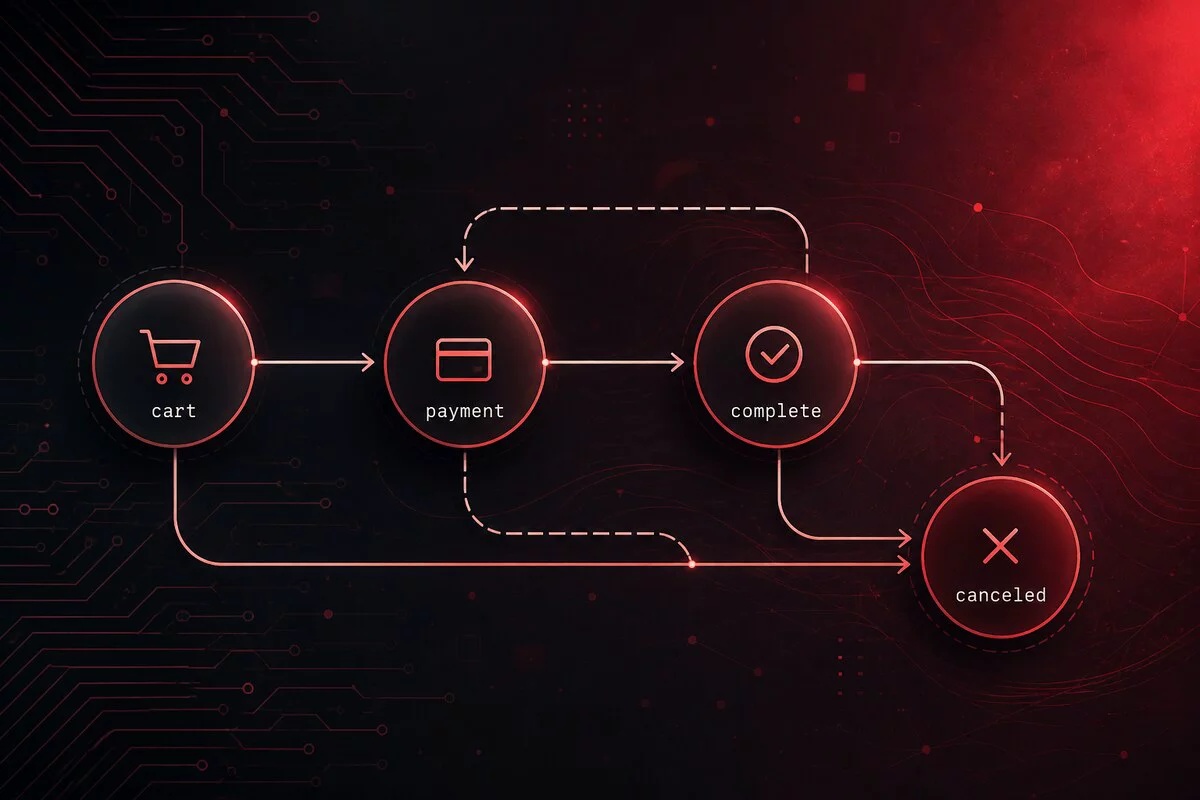
State machines in Rails: how an object moves through its lifecycle
For readers who have not written Ruby, but want to understand how Rails apps describe the lifecycle of business objects - and why that almost always means a finite state machine. Examples are cut down to the essentials.
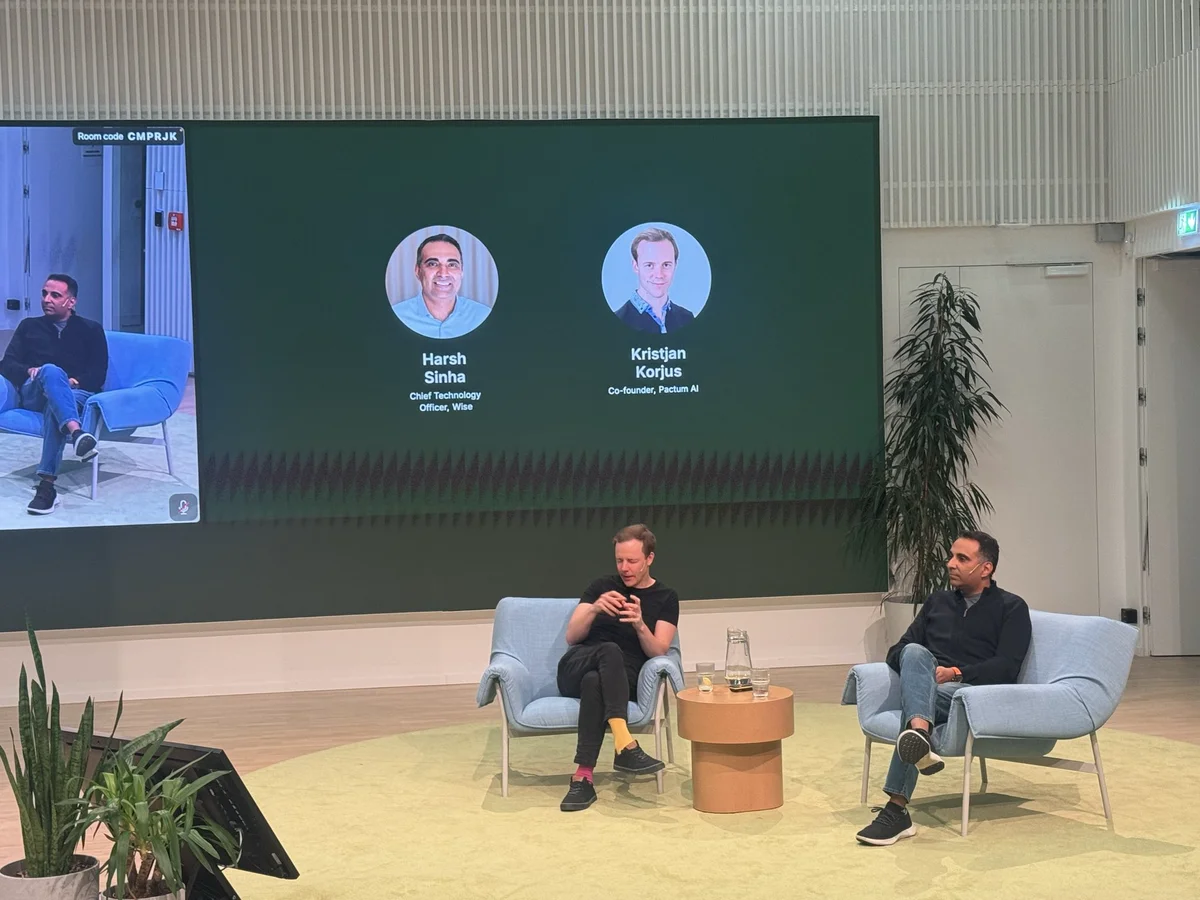
The Escape Theory: What Will Actually Break the Corporate Power-Law?
Recently, I attended a fireside chat with the CTO of Wise and the Chief Research Scientist of Pactum. I asked them a provocative question: Do you see any technology on the horizon that could fundamentally disrupt the market’s power-law distribution by decentralizing and empowering individuals in such a way that they no...
Why live coding is a poor way to evaluate engineers
Live coding interviews are a lottery dressed up as evaluation. The core problem is that it's largely a random check: the candidate is typically unprepared for this specific moment.
Product team models - project based, feature factory and product operating model
Listened to the podcast https://www.tpg.ee/p/product-team-models-project-based Was interesting to listen and reflect how organizations tend to have indeed different structures. I suppose the project-based is a tendency in small and outsourcing companies, while more mature product-orinented companies go with feature-fac...
Sandboxes for homework assignments
I did some throw-away home coding assignments back in the days: https://github.com/tot-ra/sandbox-open-time-json https://github.com/tot-ra/sandbox-express-axios-api-composition https://github.com/tot-ra/sandbox-airport https://github.com/tot-ra/sandbox-chocolate-factory https://github.com/tot-ra/sandbox-nestjs-auth-rat...

Dream of scalable & enriched graphql-subscriptions
Originally posted in Medium Stylized photo of Jagala juga (Estonia), original photo by Aleksandr Abrosimov, Wikimedia Commons Last time, I wrote about 5-year long journey of having GraphQL in Pipedrive. Now, let me tell you about a 10-year long journey of delivering websocket events to frontend..

Journey to a Federated GraphQL
Original post at medium Image taken from dgraph.io Engineers tend to love good stories, so hopefully our 5-year journey of moving towards API composition with GraphQL now in production (serving at peak 110 requests per second at 100ms latency) provides a good story. If you’re in a hurry, scroll down to _Lessons learned...