Homemade campervan festival (September 5, 2026)
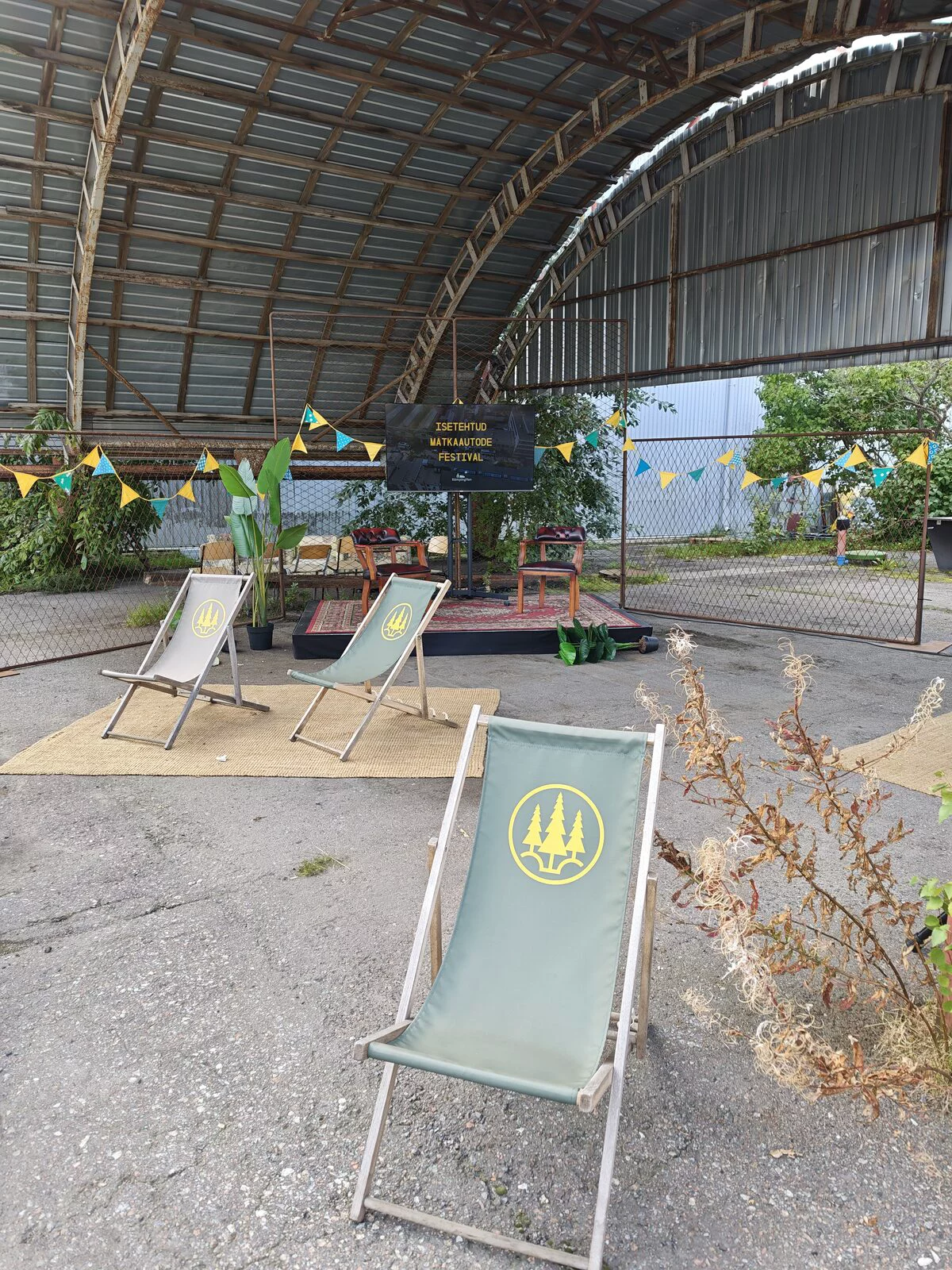
I went to the homemade campervan festival (Isetehtud matkaautode festival) in Tallinn's Põhjala quarter, on the parking lot at Ankru 10. It ran from 14:00 to 17:00, entrance was 5 euros for adults (cash or card on site). One of the organizers was the KämpingVan team, which converts vans into campers.
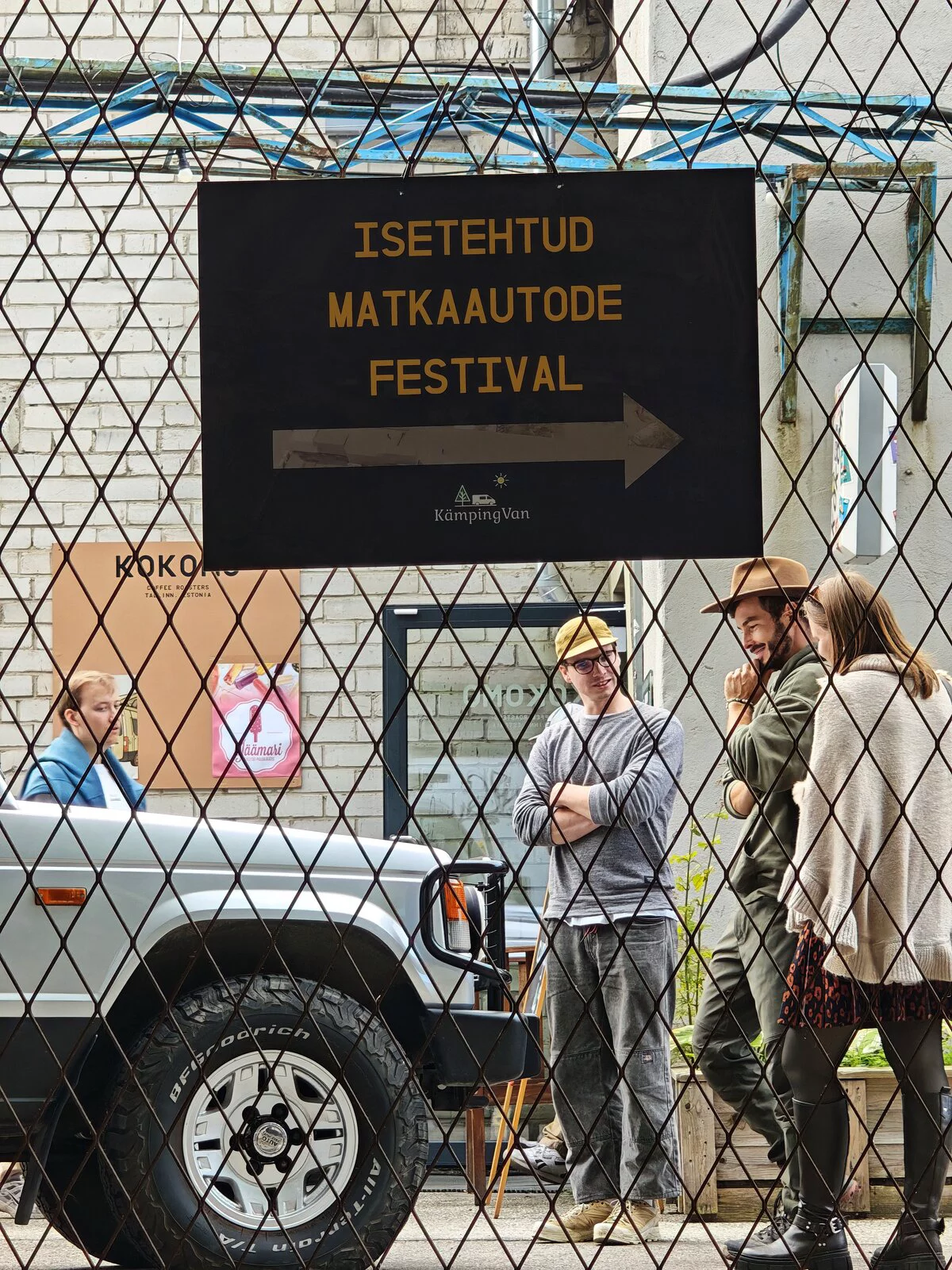
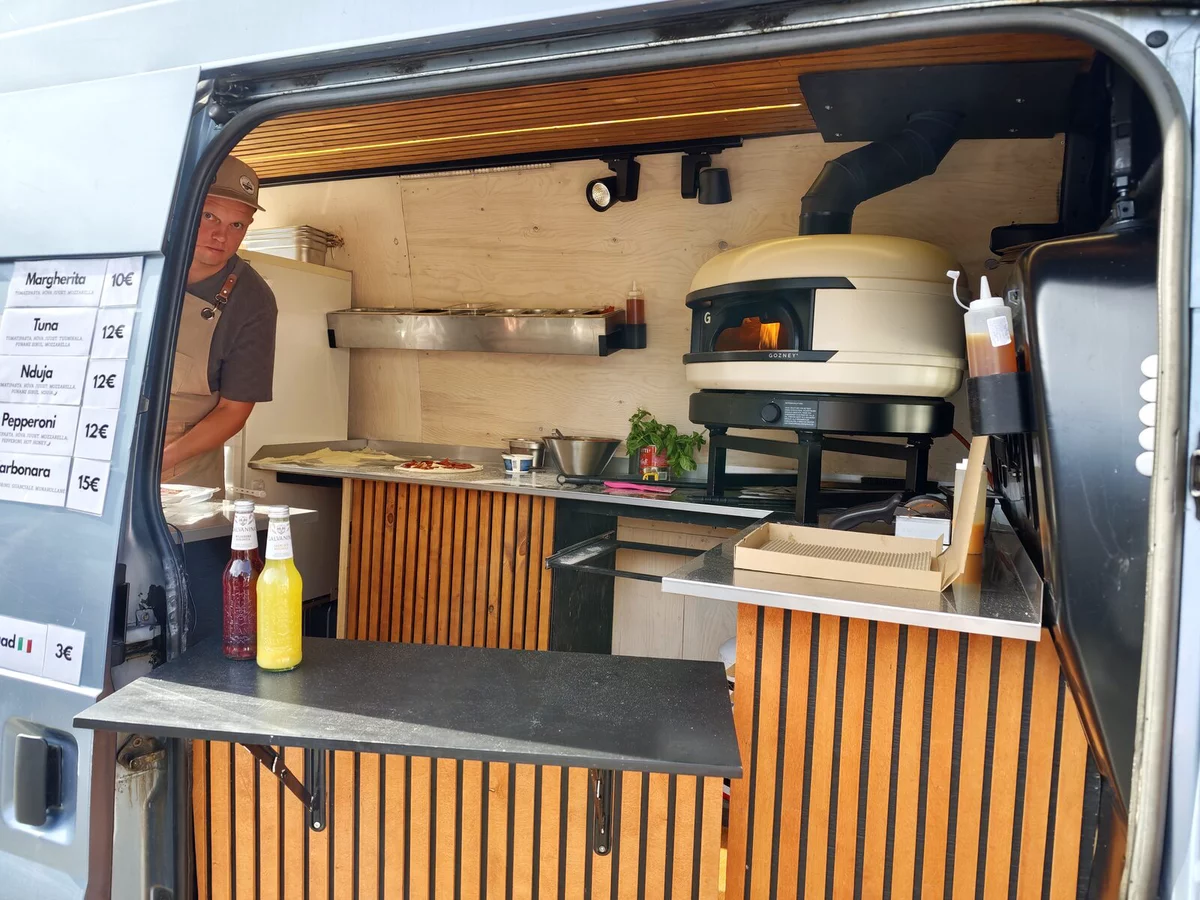
For one day the parking lot turned into a small city of modern nomads: converted vans, minibuses and buses, plus a food court with food trucks and a separate free zone for kids. The program had short talks by owners - about building a camper out of a van, about what to do if you don't want to build it yourself, about vanlife with a child, about a family trip across the Balkans in a crossover - and it closed with the "People's Favourite" announcement.
The atmosphere of the quarter
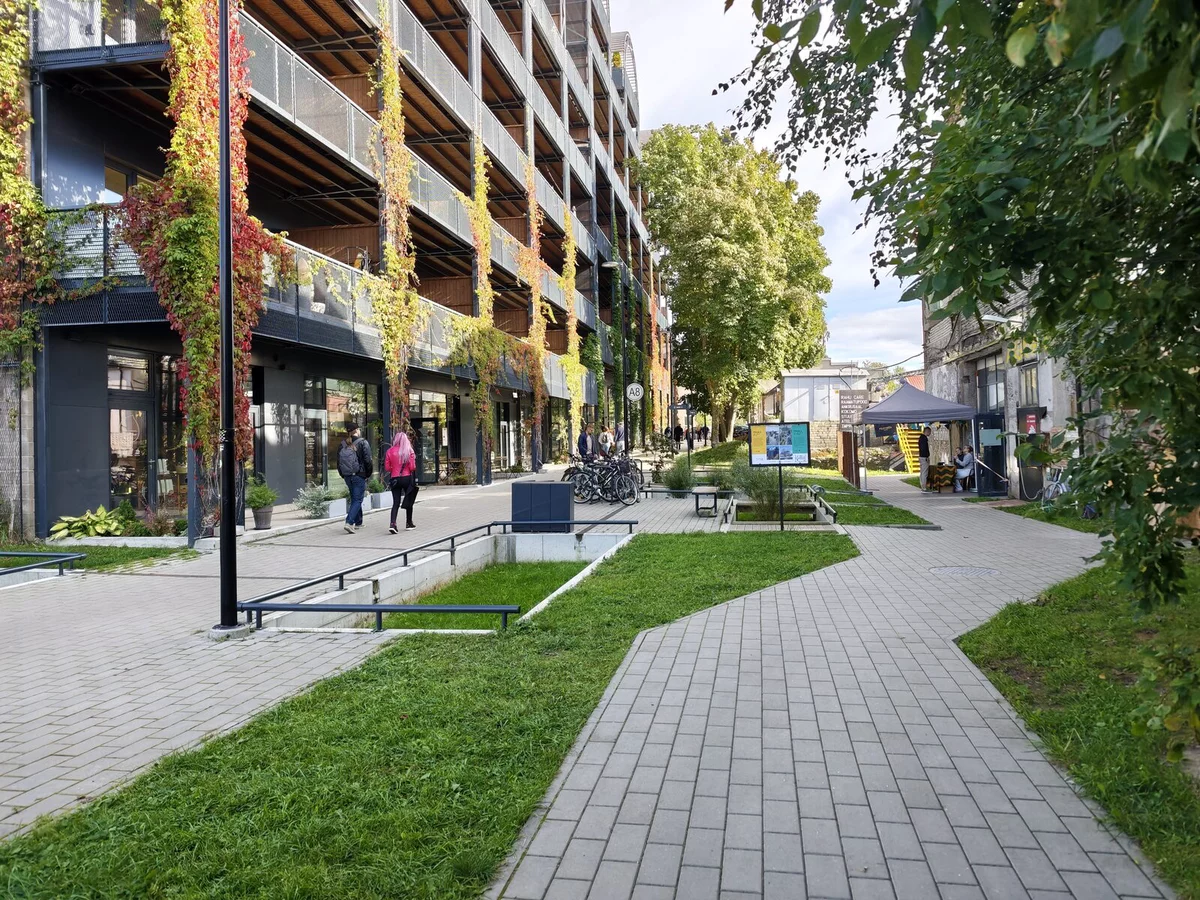
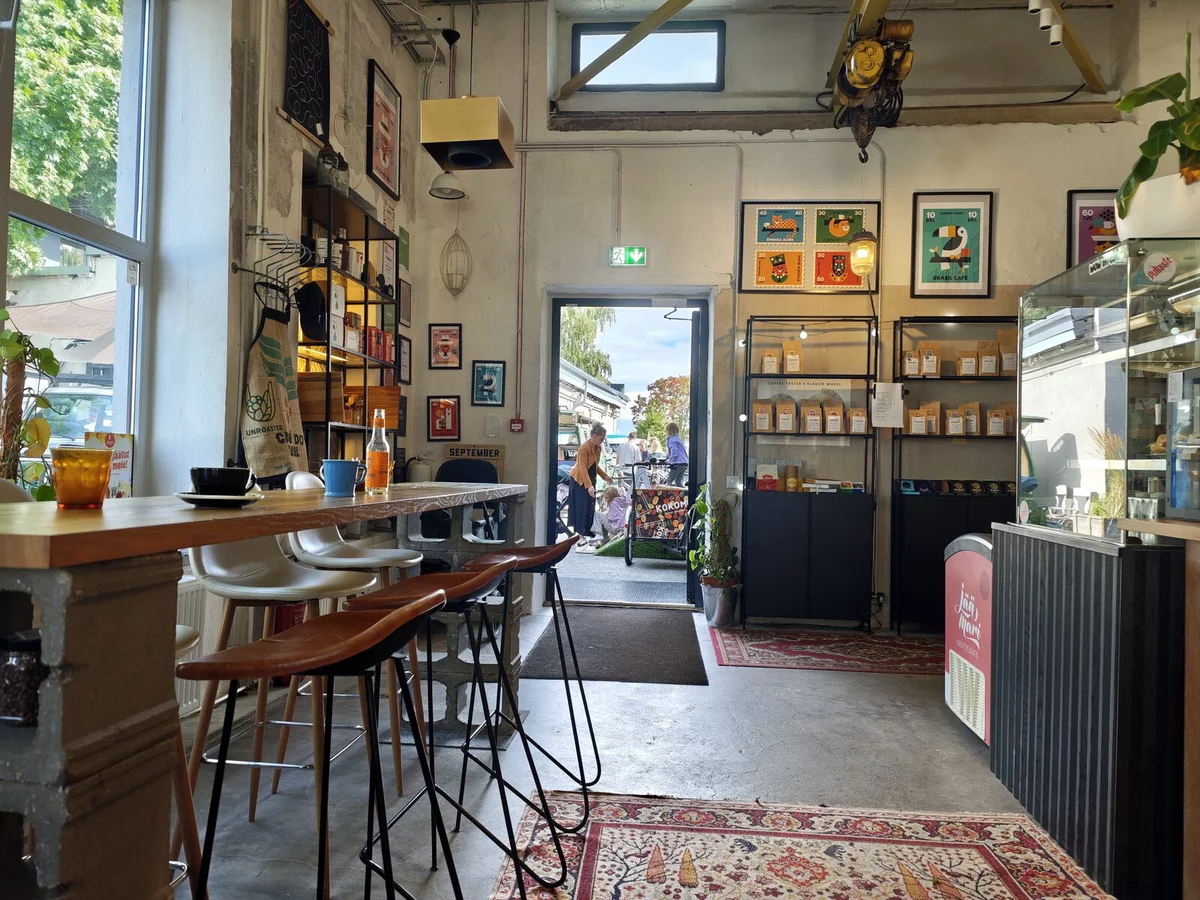
The quarter itself made half the impression. Lots of kids, dogs, working cafes and restaurants nearby, organizers announcing things over a microphone, music playing. And a lot of visual contrast: old factory walls, new residential buildings with greenery on the balconies, and rusty eighties vans in between.
Every vehicle had its own character
The main thing I liked is that almost every vehicle had character, and you could tell from the build which value its owner put first.
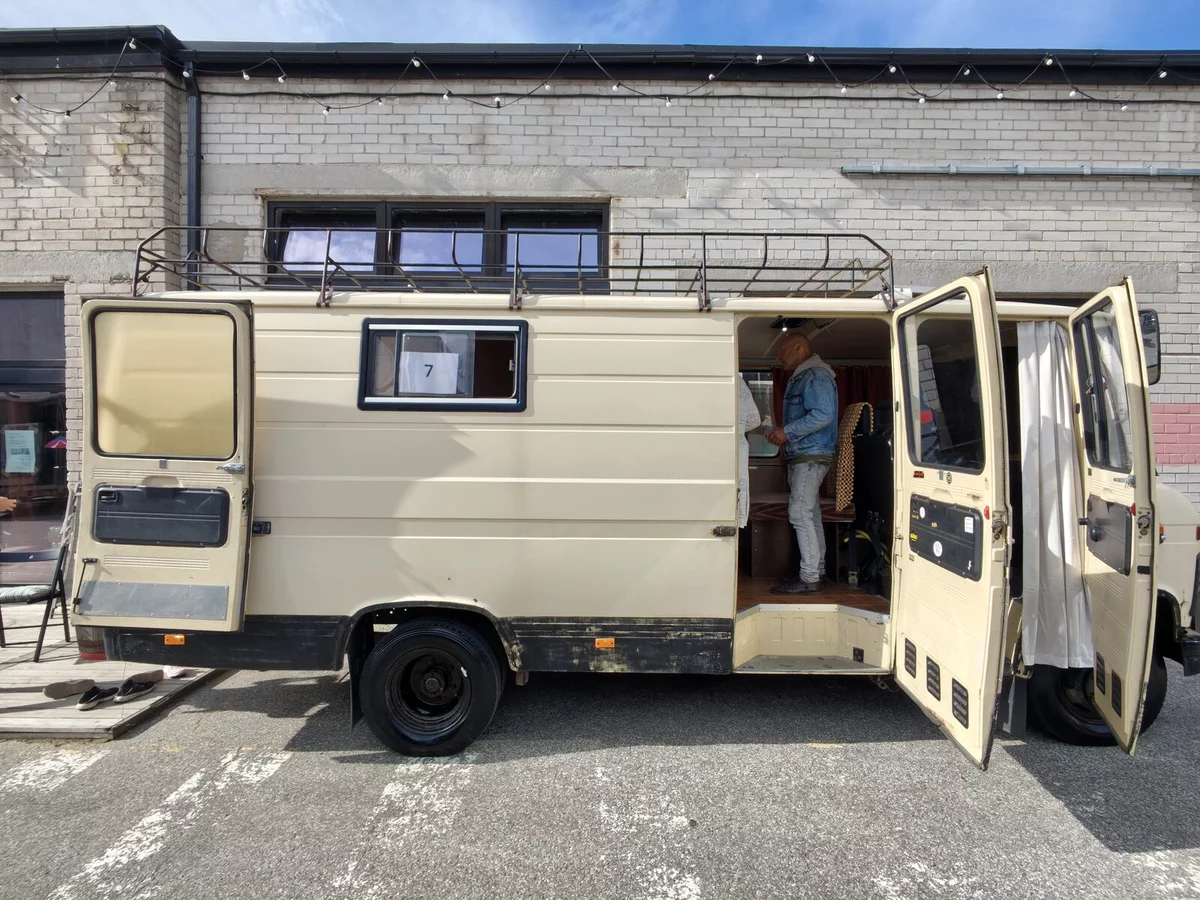
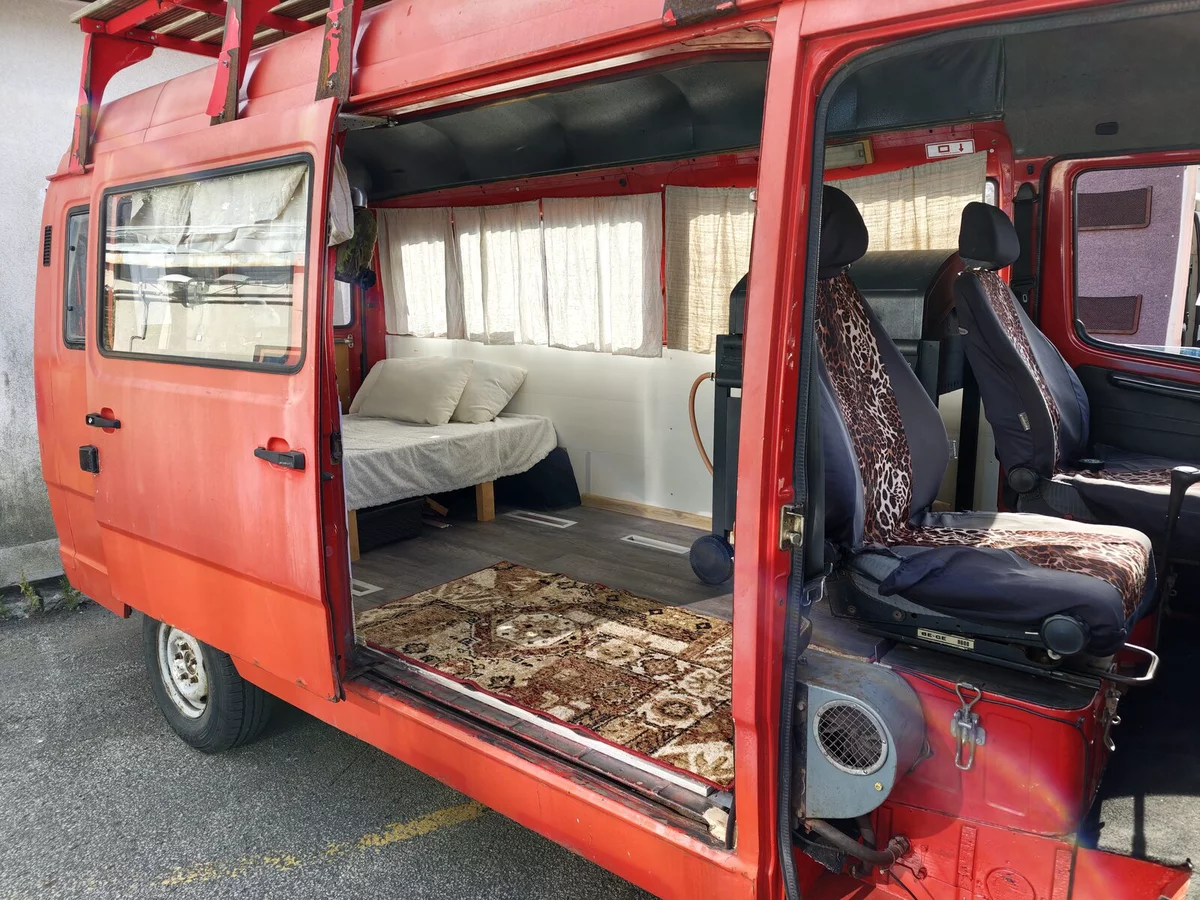
Rescuing an old vehicle. Some people took an old van and turned it into a usable camper - here the value is in the very fact that 30-year-old metal is alive and driving again.
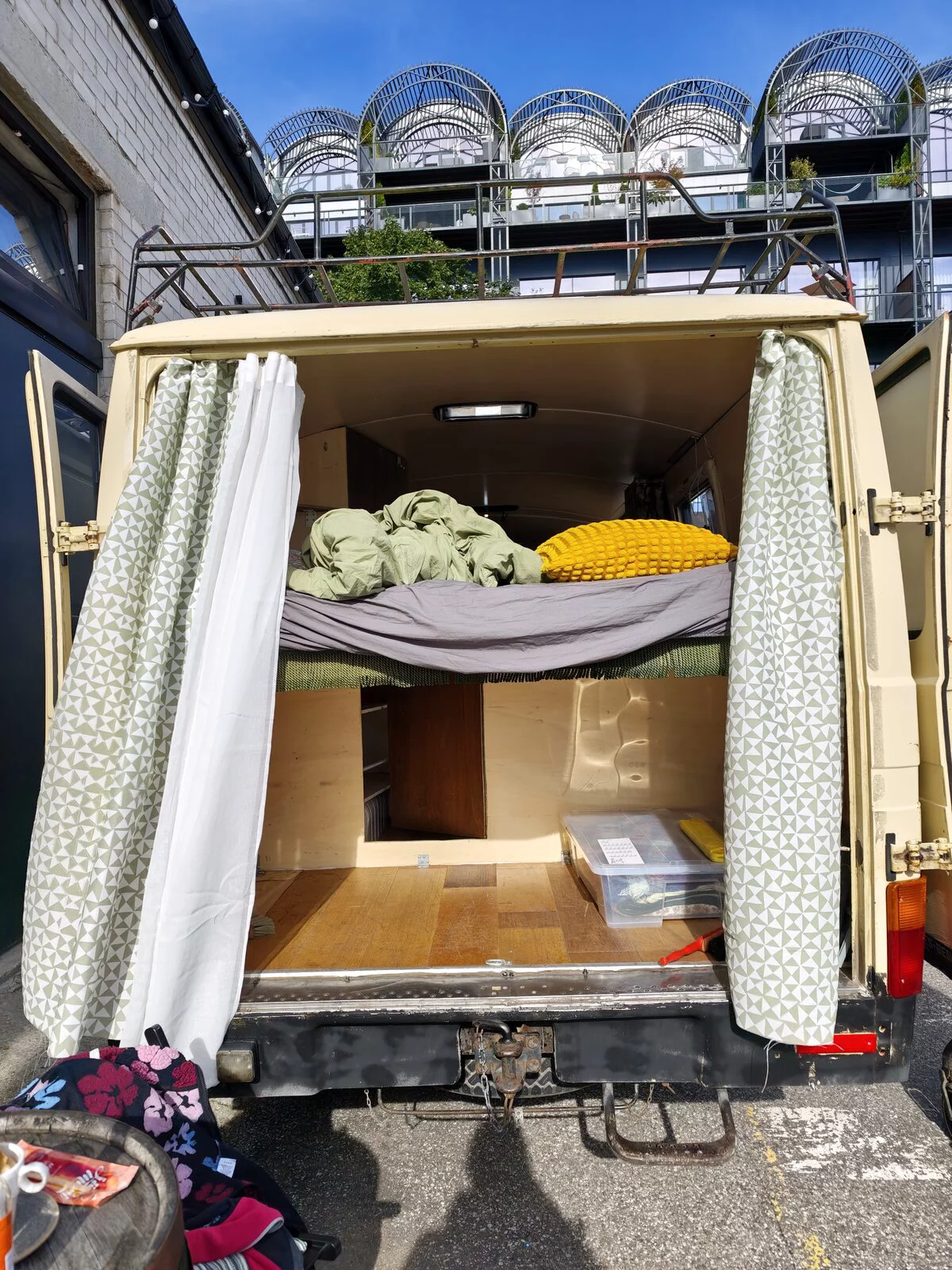
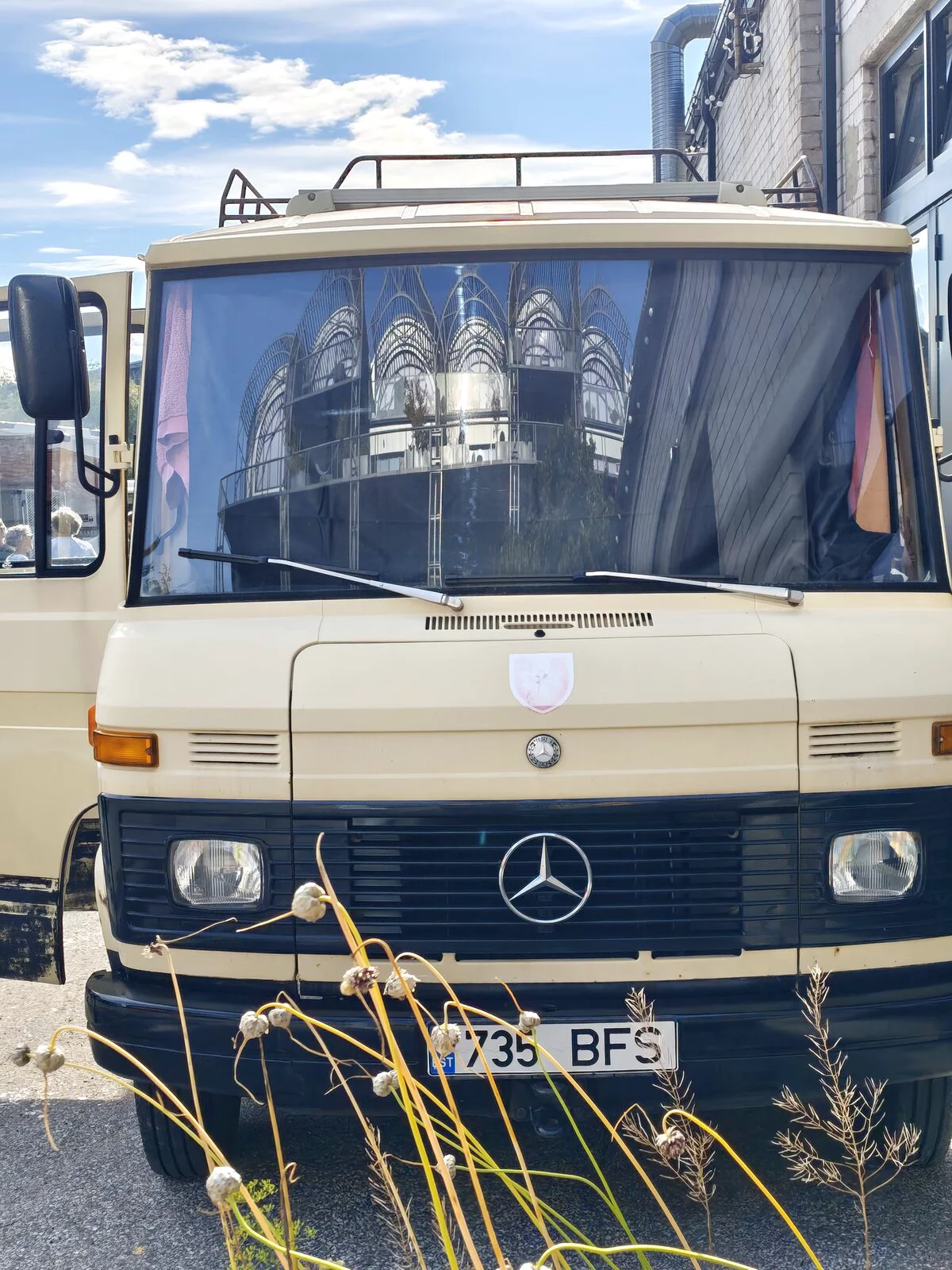
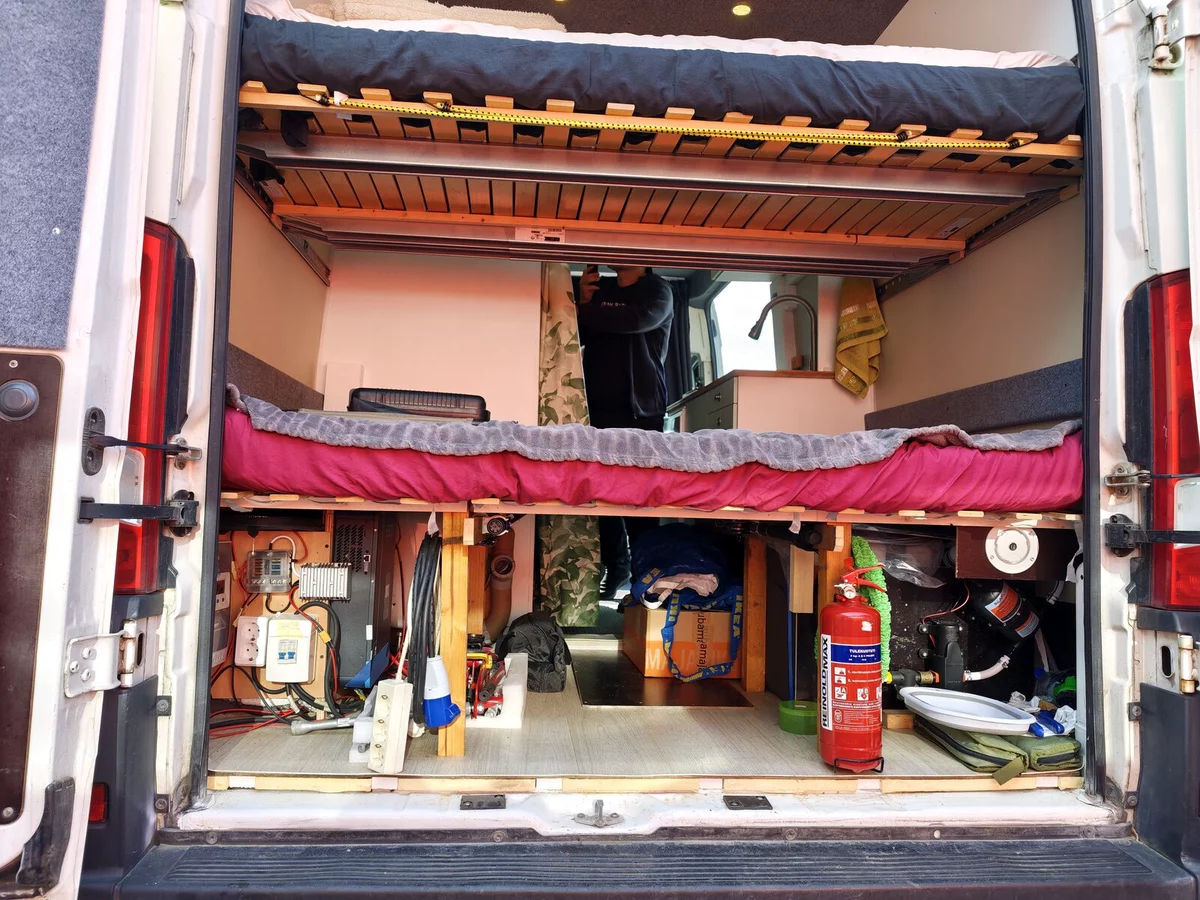
Practicality and low cost. There were purely utilitarian builds too: bare plywood shelves, visible wiring, everything as functional and cheap as possible. It works, but it loses out because it is bland and has no character - there is not much to look at.
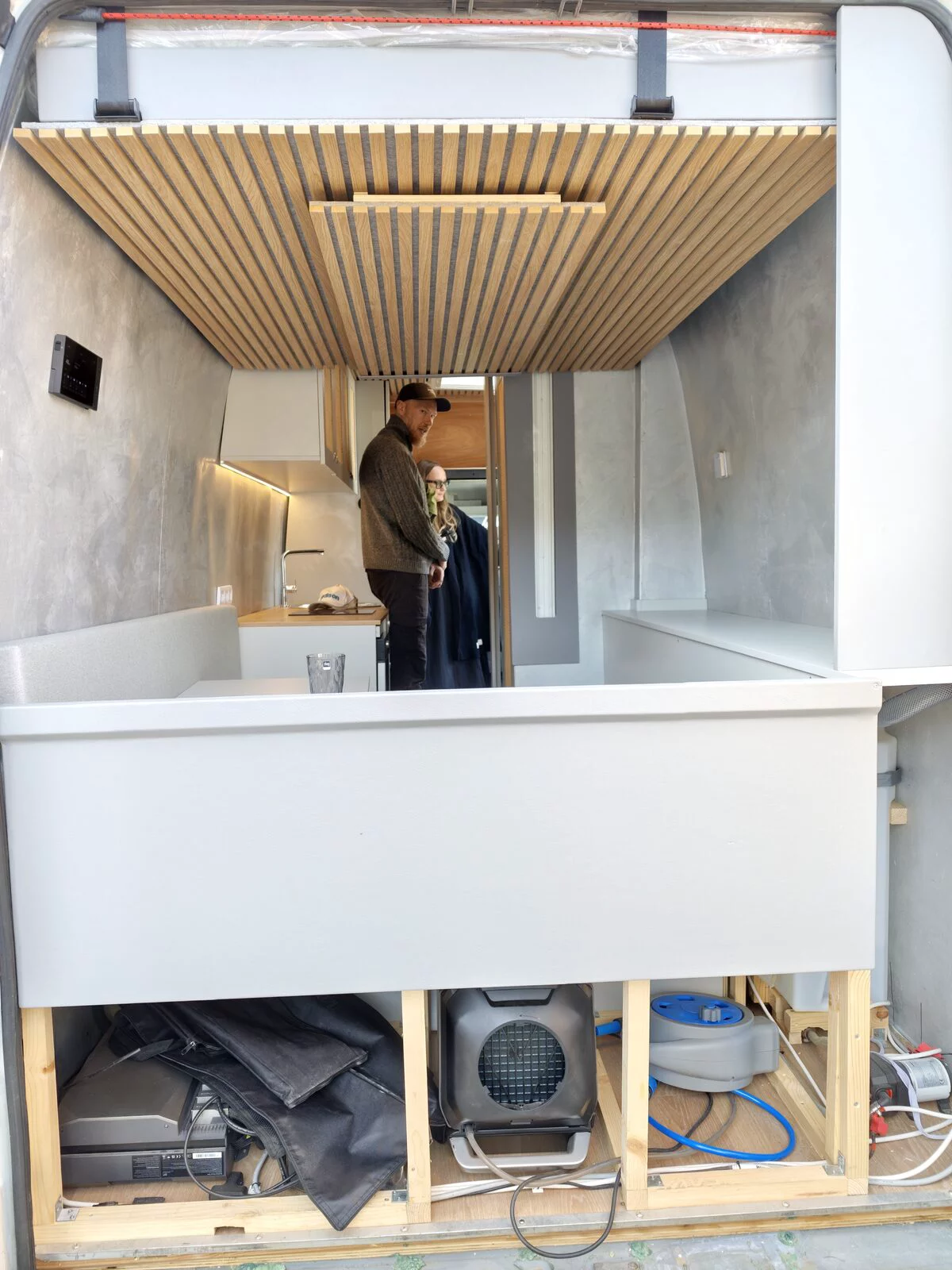
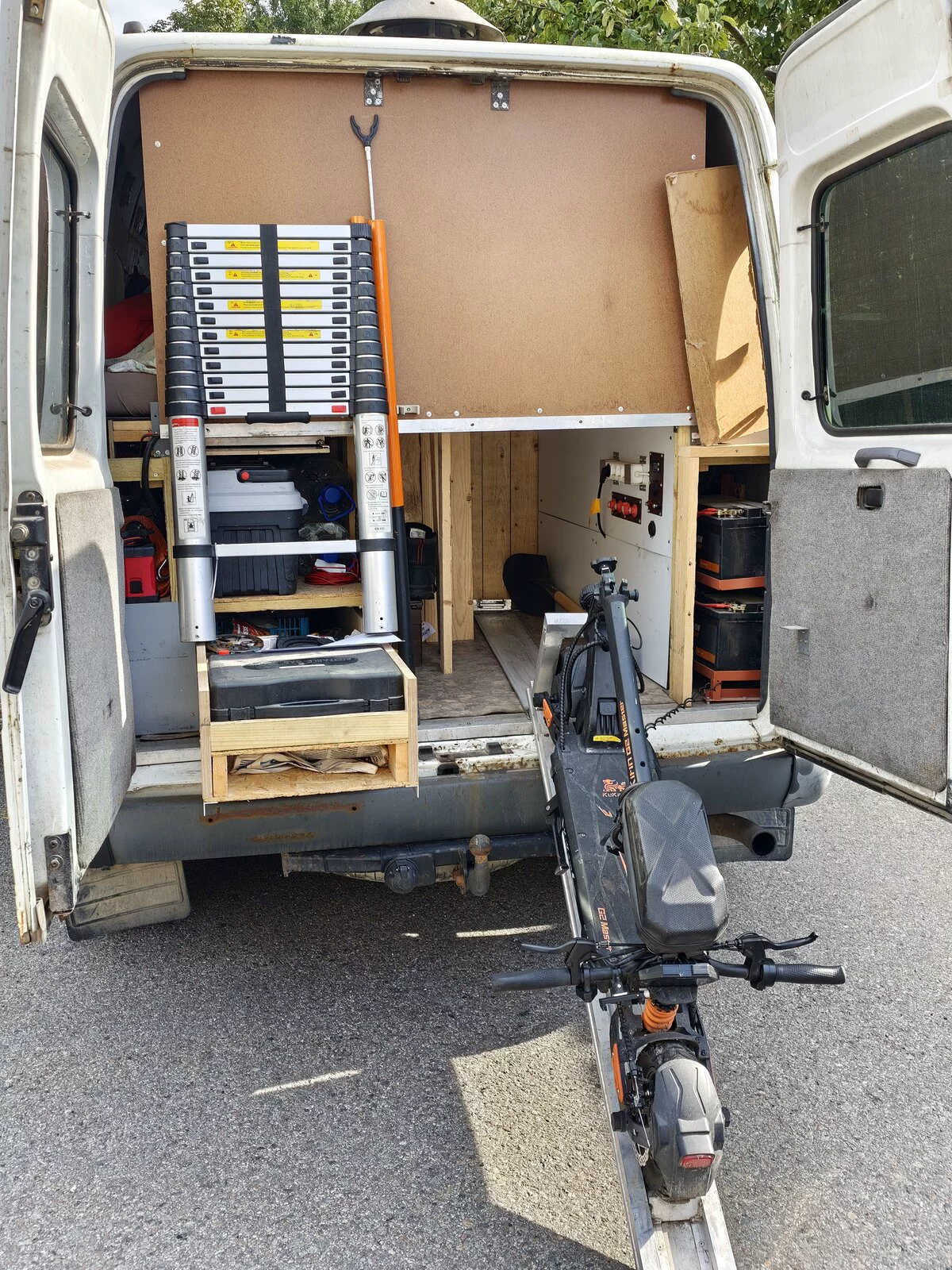
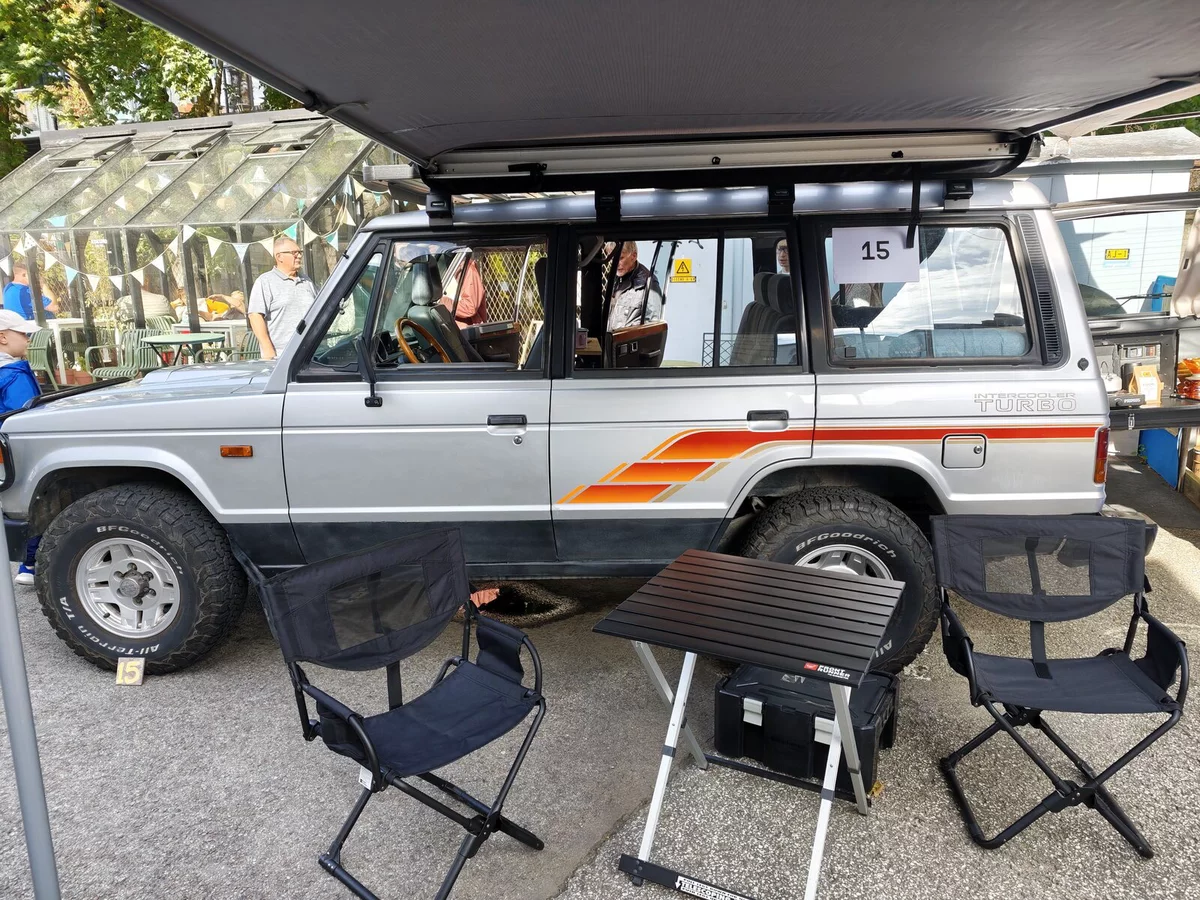
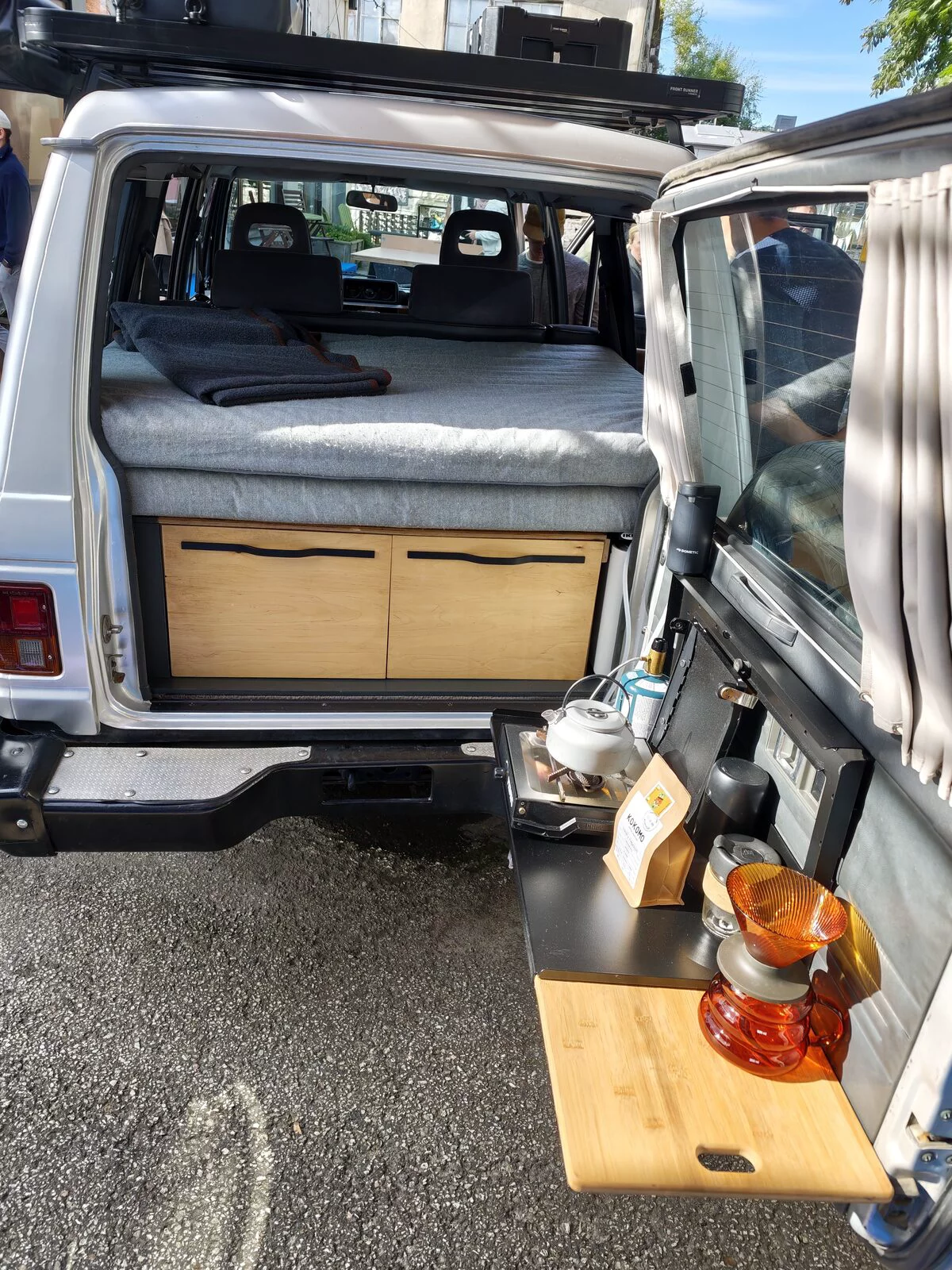
Reliability and off-road capability. Some started from a 4x4: you take an off-roader and tune it so you can cook in it, so it goes further off-road, and so you can sleep in a roof tent. Here the home on wheels is more of an extension to an expedition vehicle than the other way around.
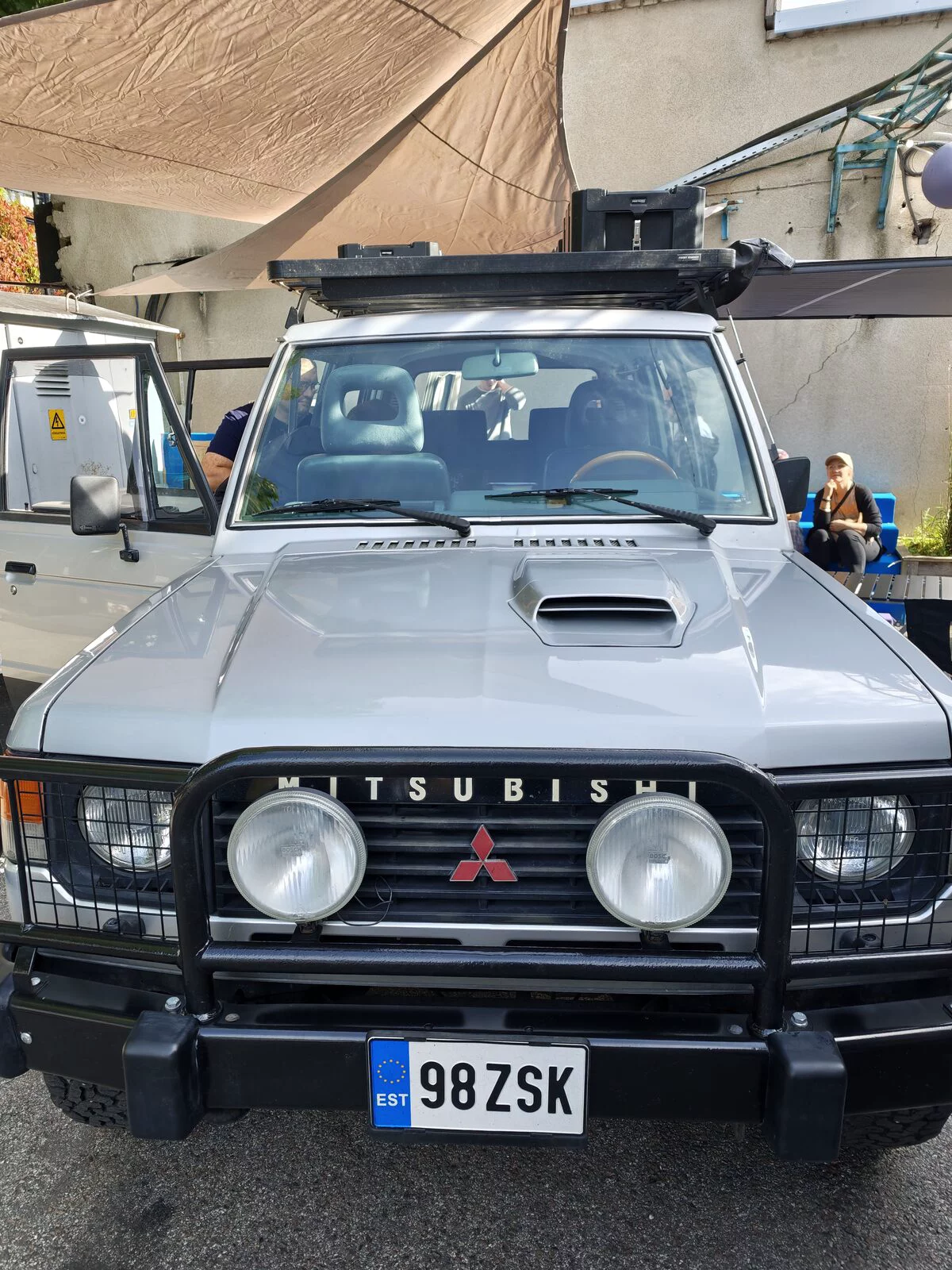
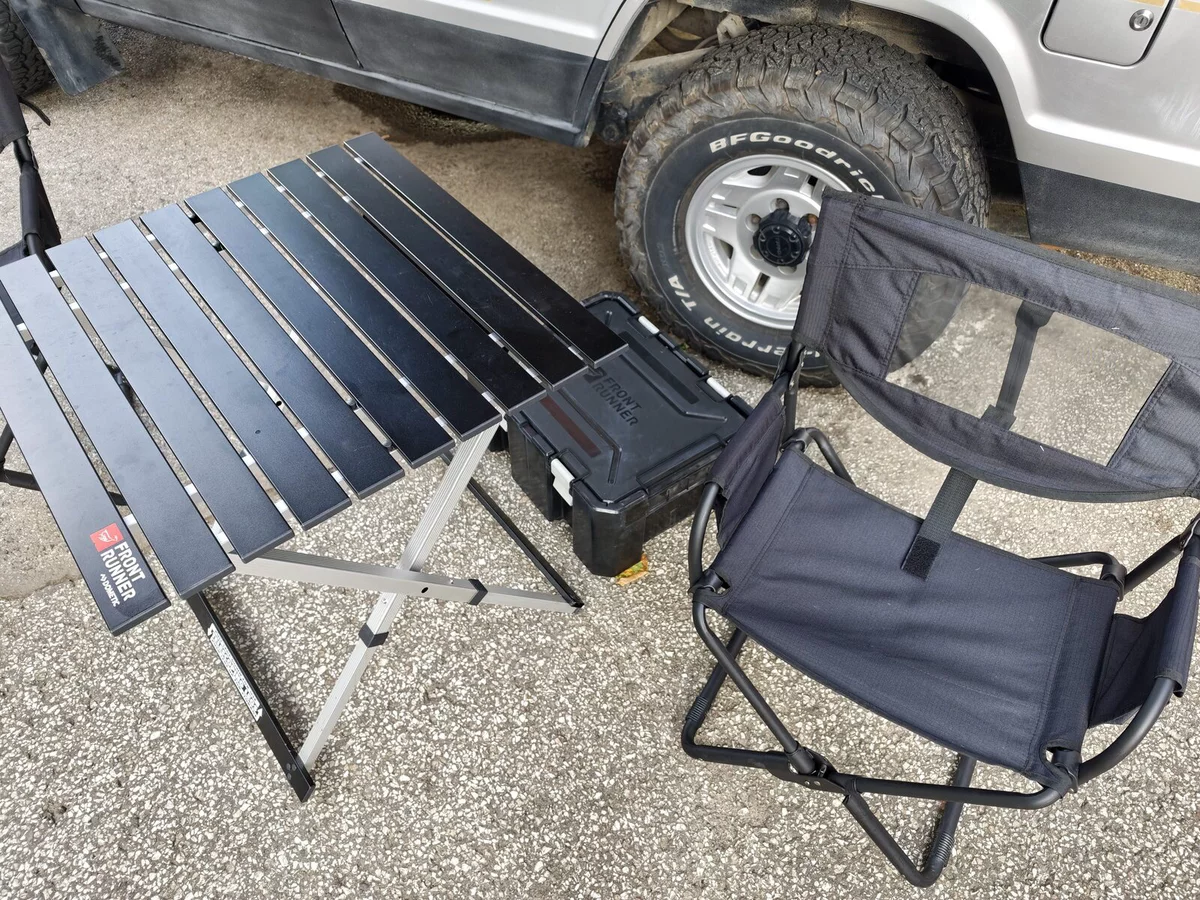
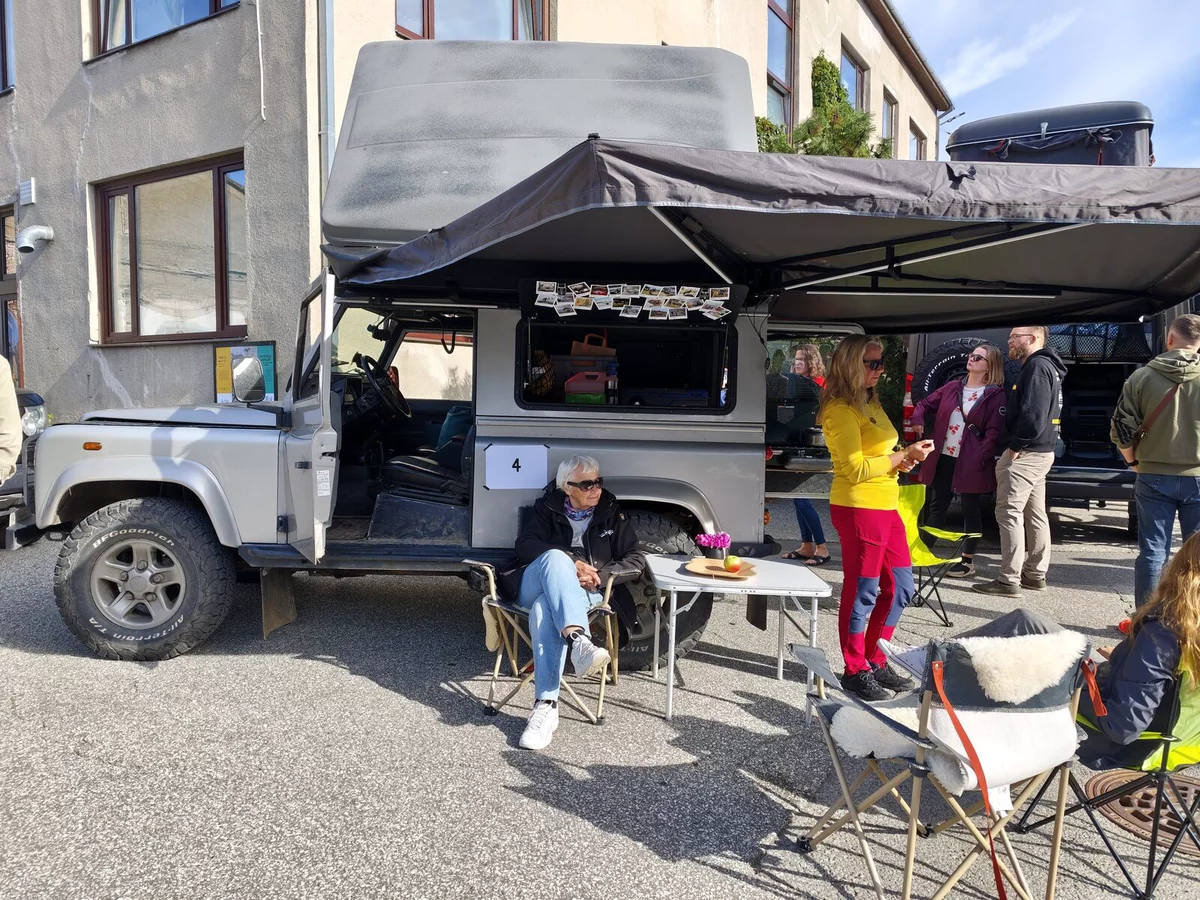
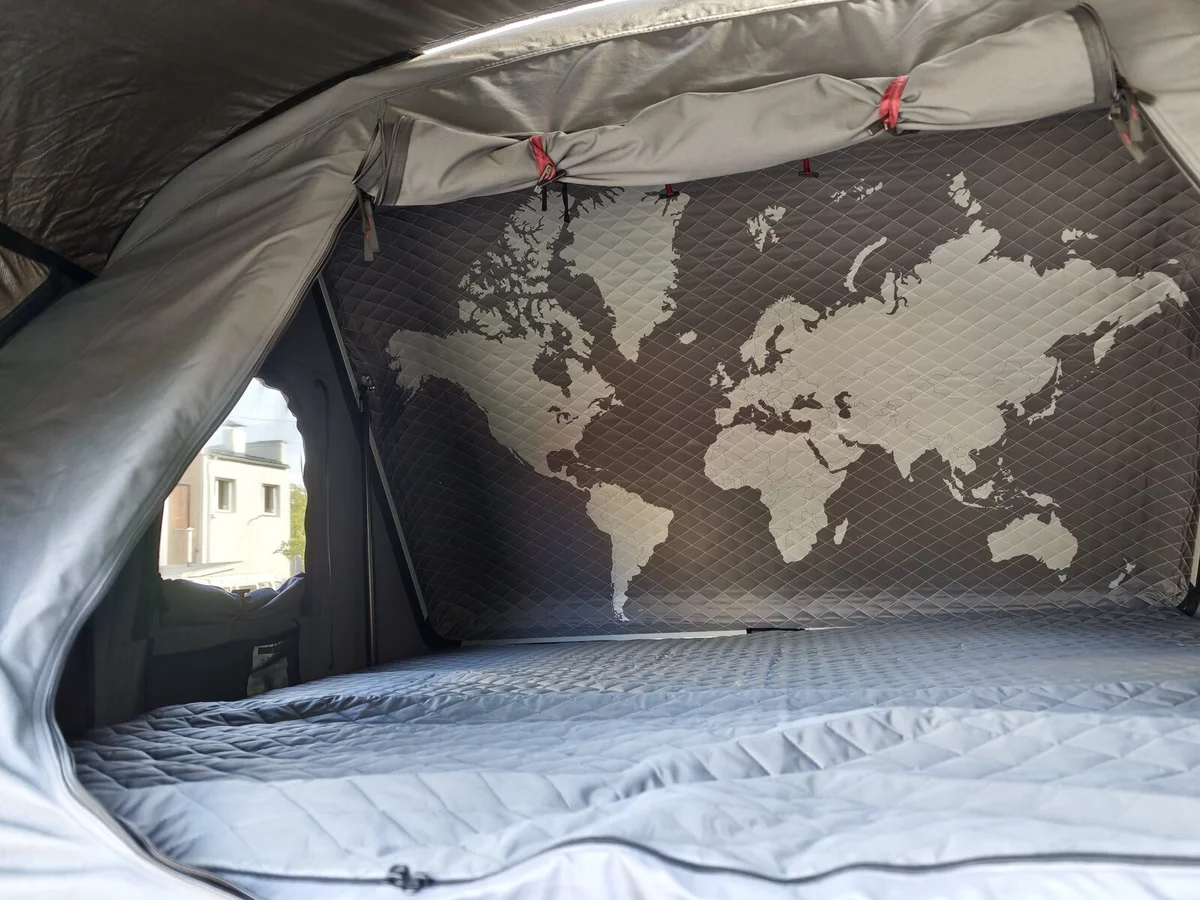
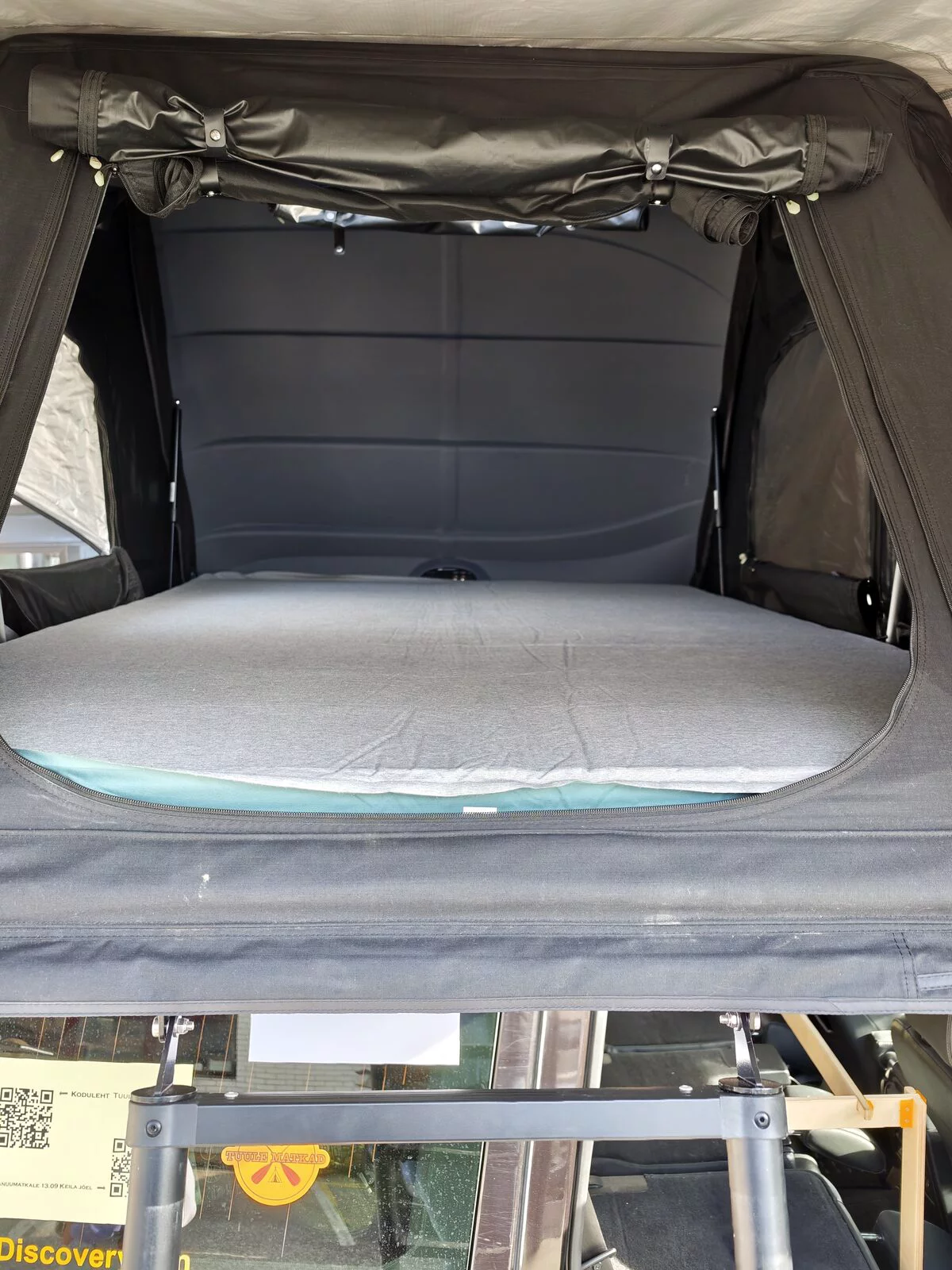
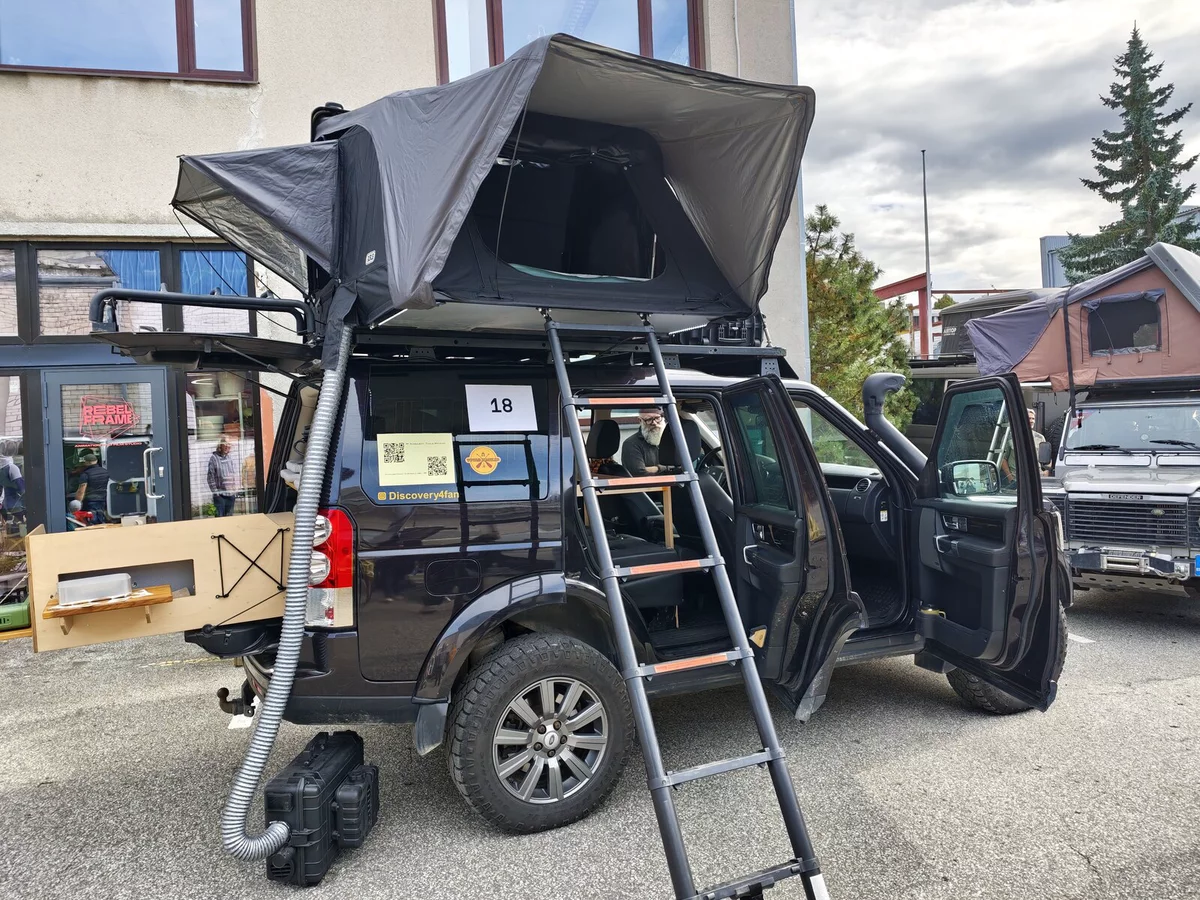
Modern campers with a military slant. Green paint, serious tyres, well thought-out off-road capability - but already with a full living module inside.
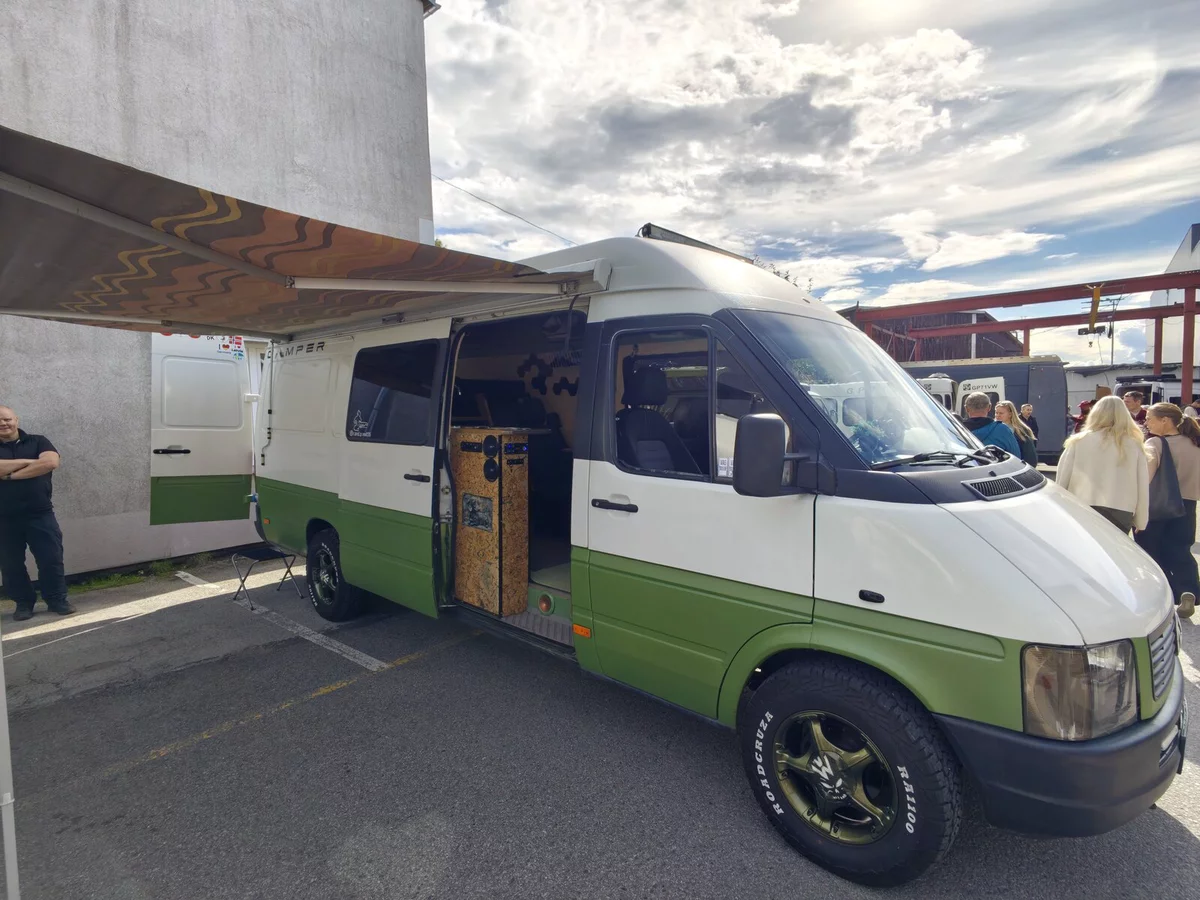
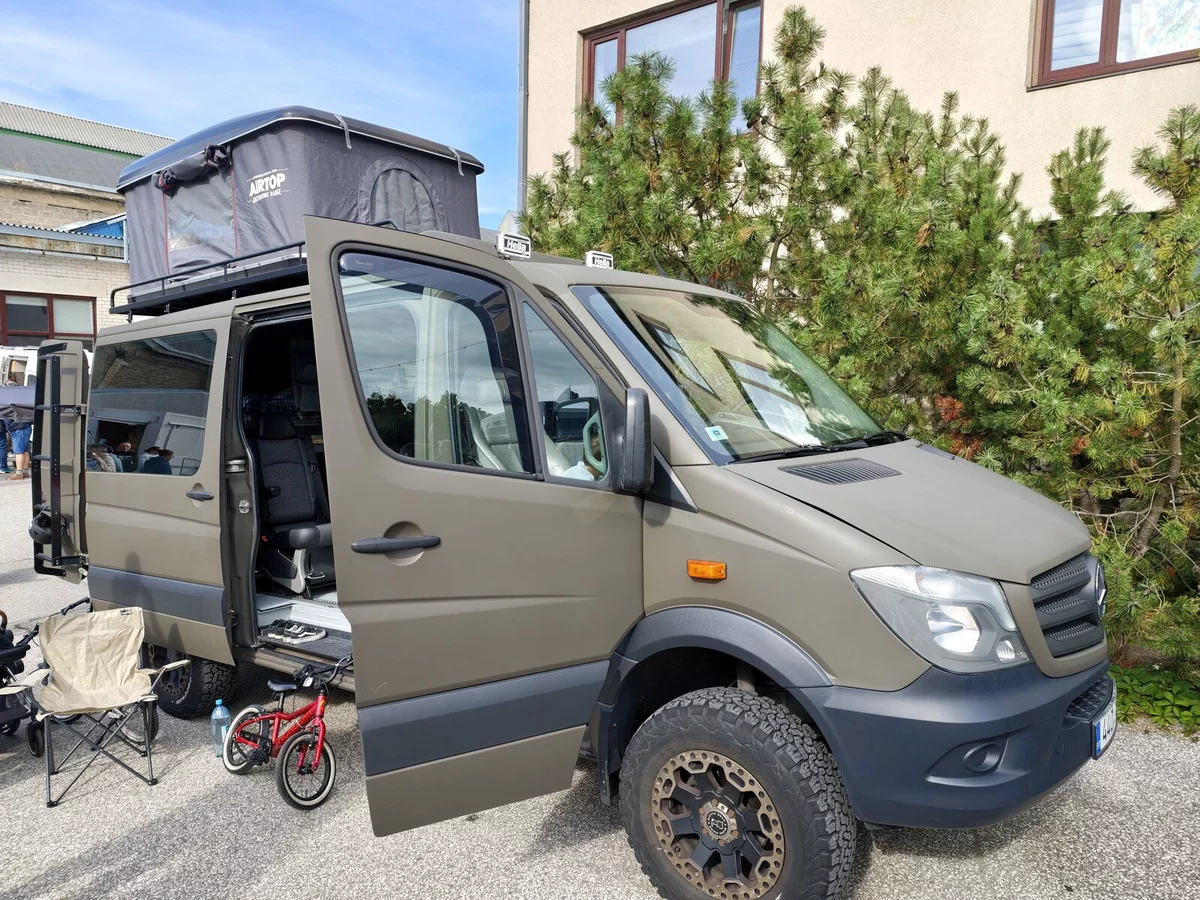
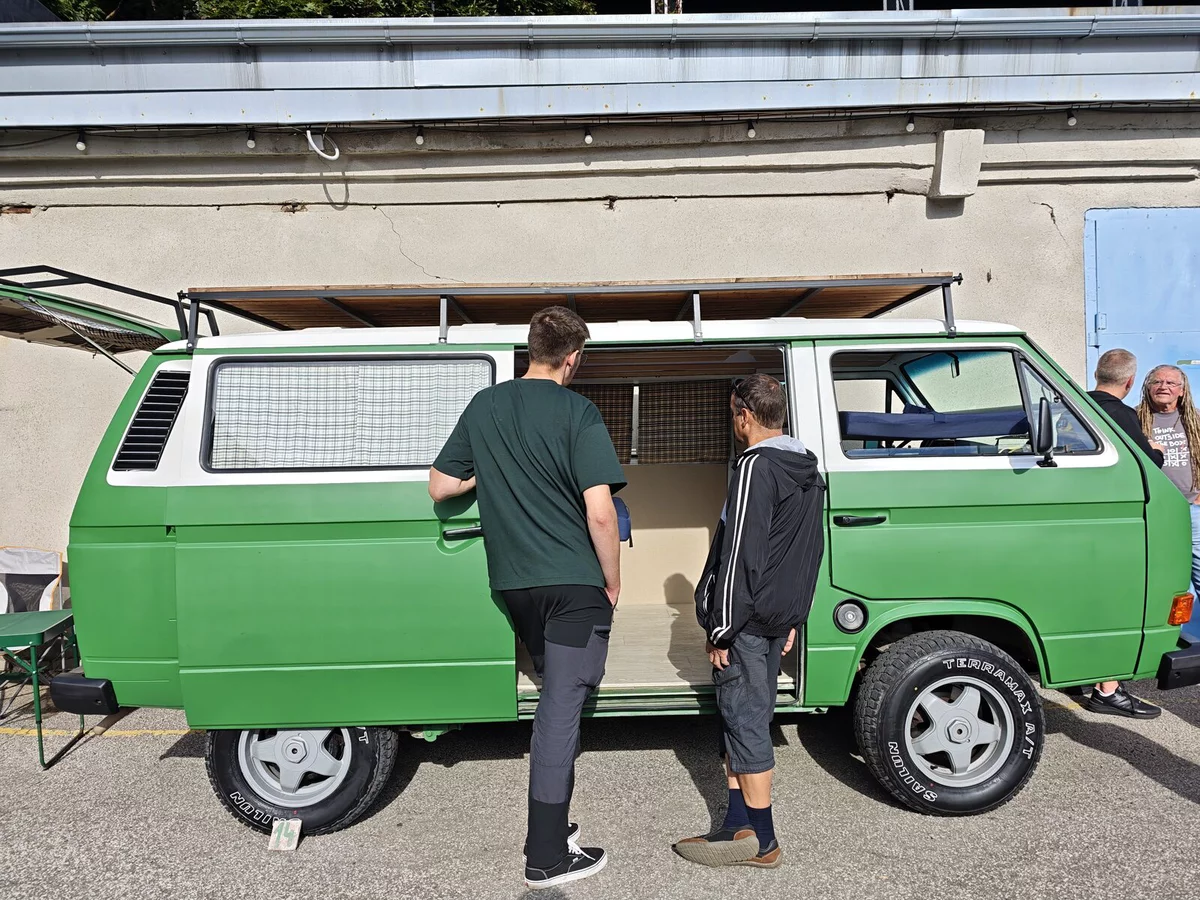
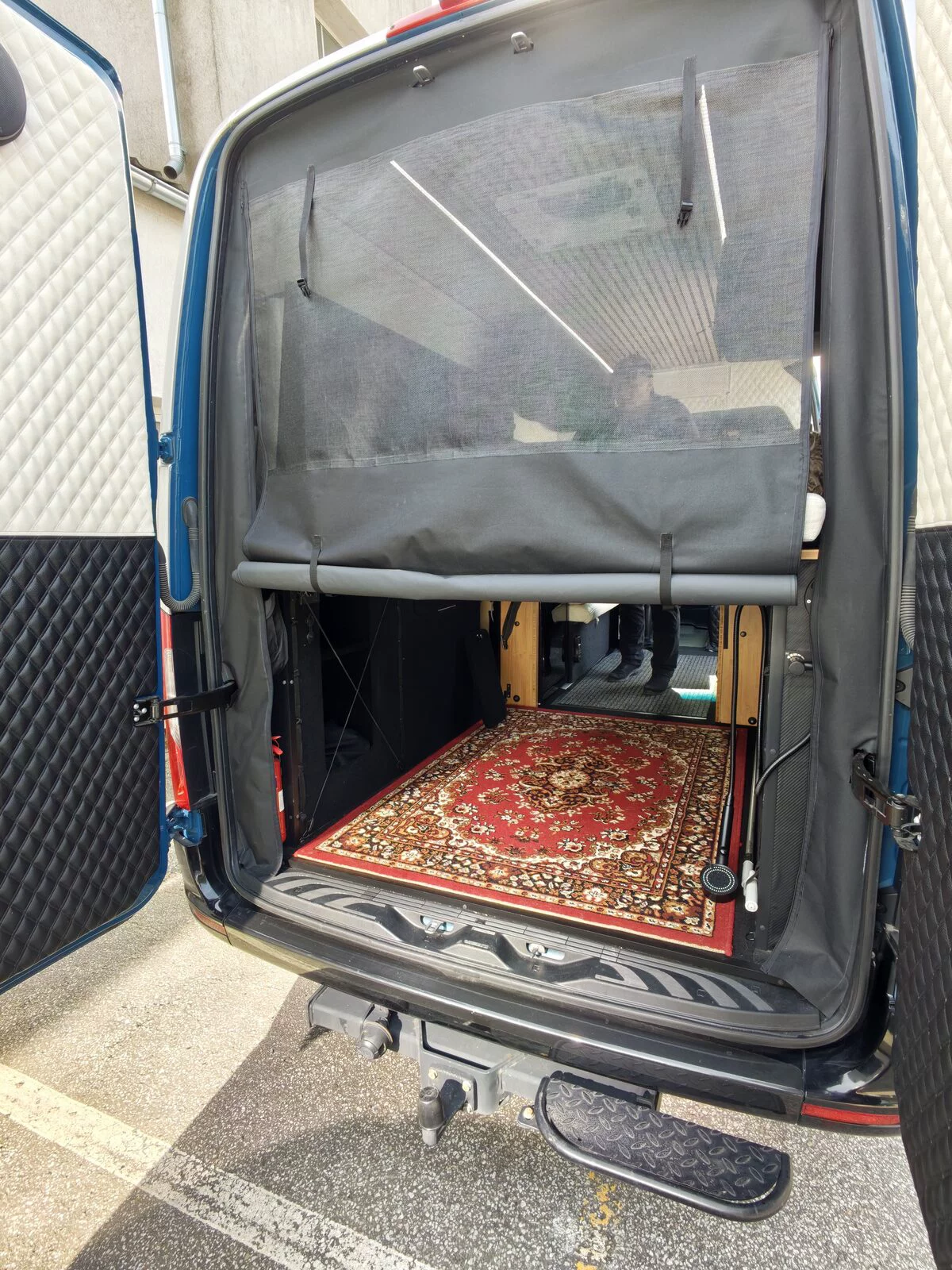
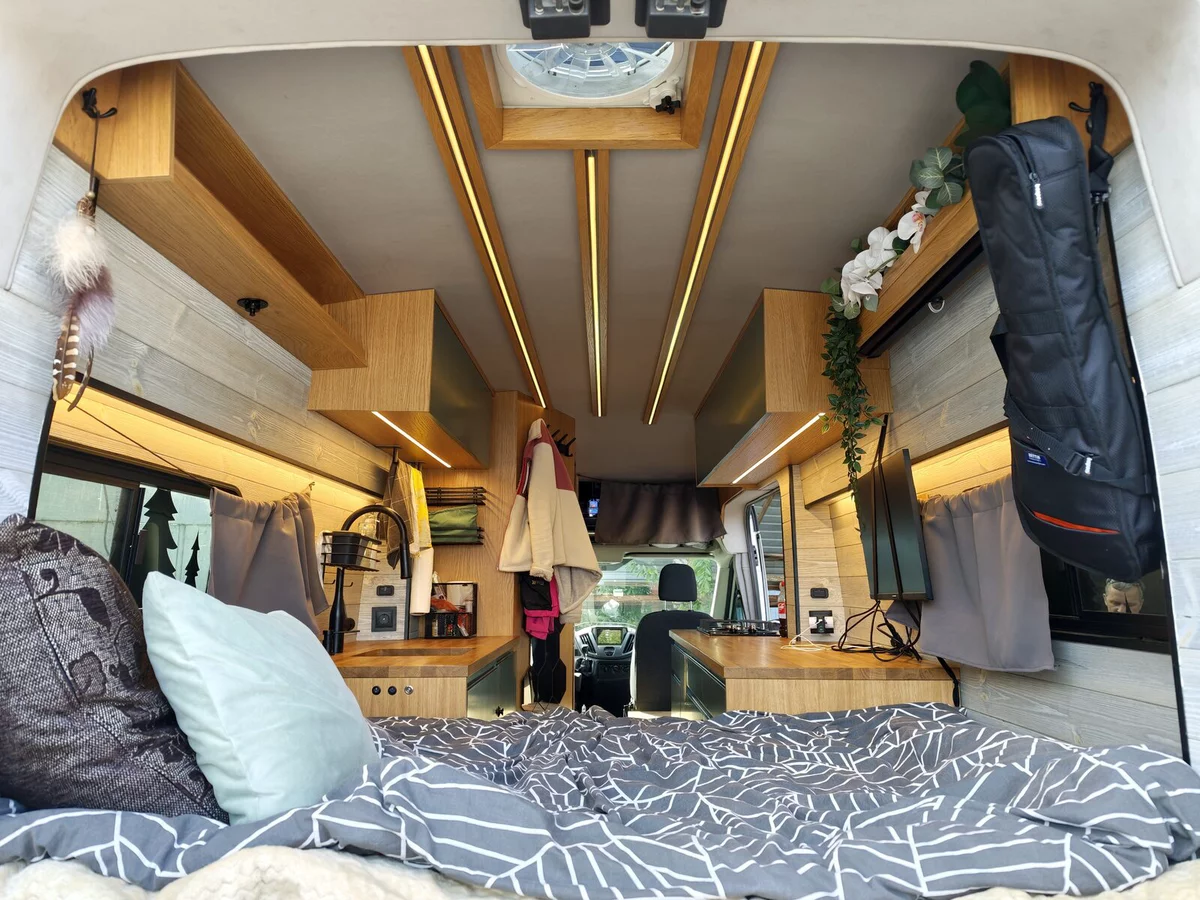
And some people went for design specifically: wood, hidden LED lighting, neat cabinet fronts - an interior that is simply pleasant to be in.
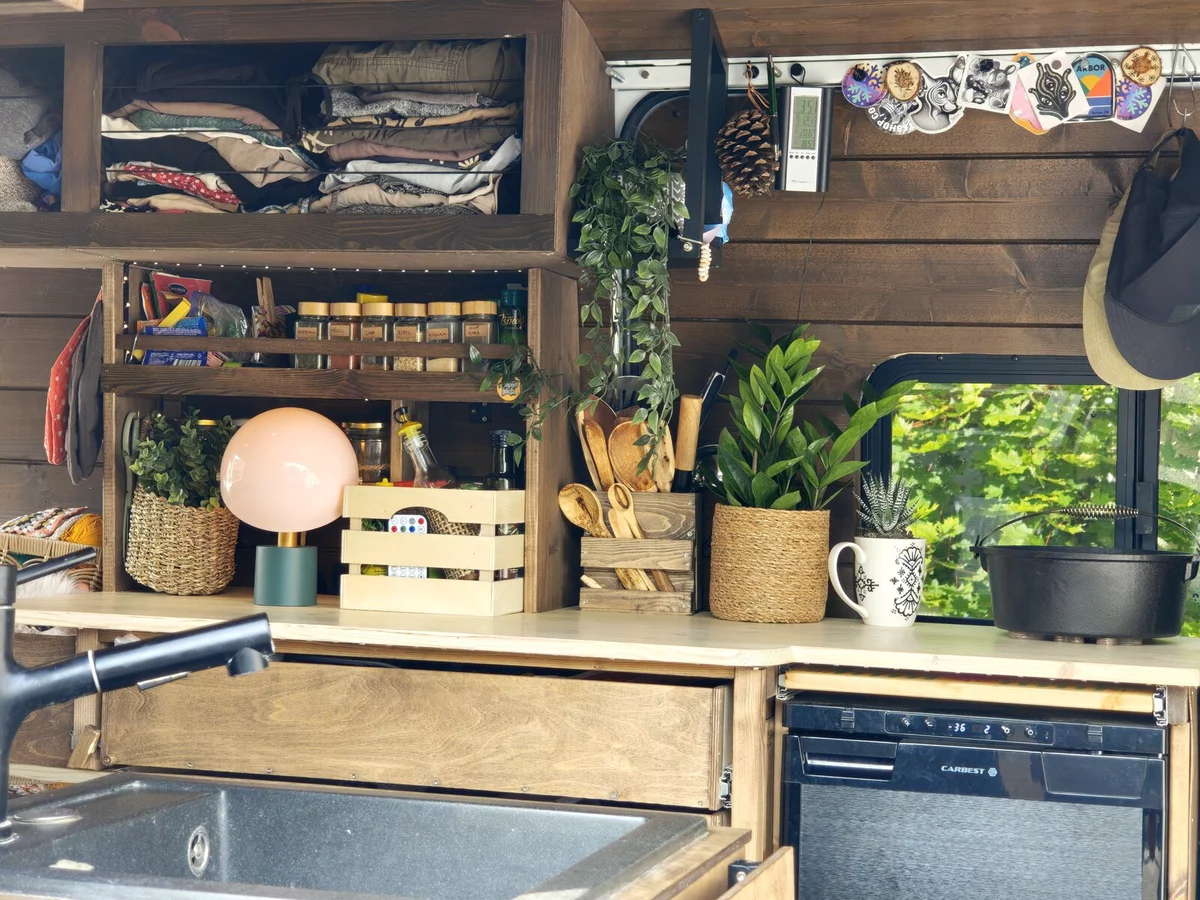
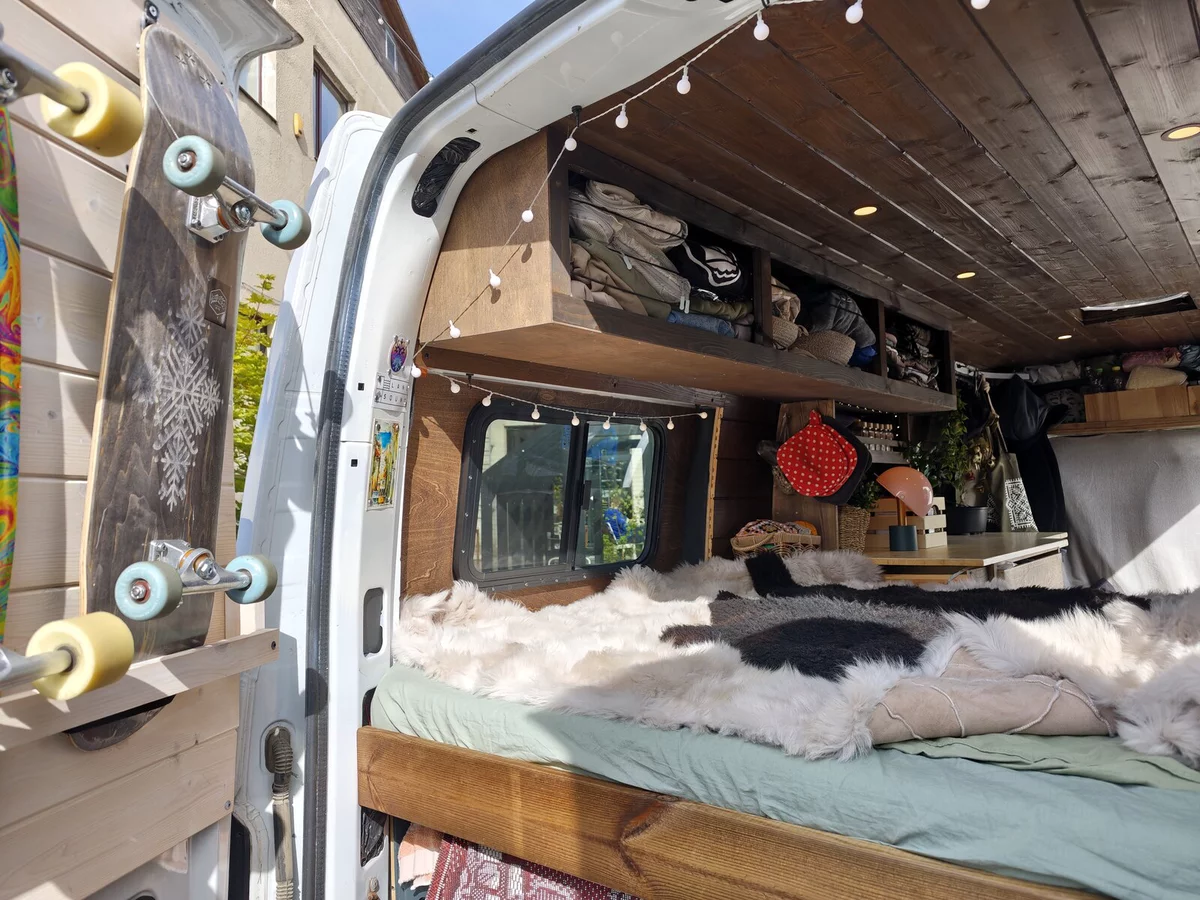
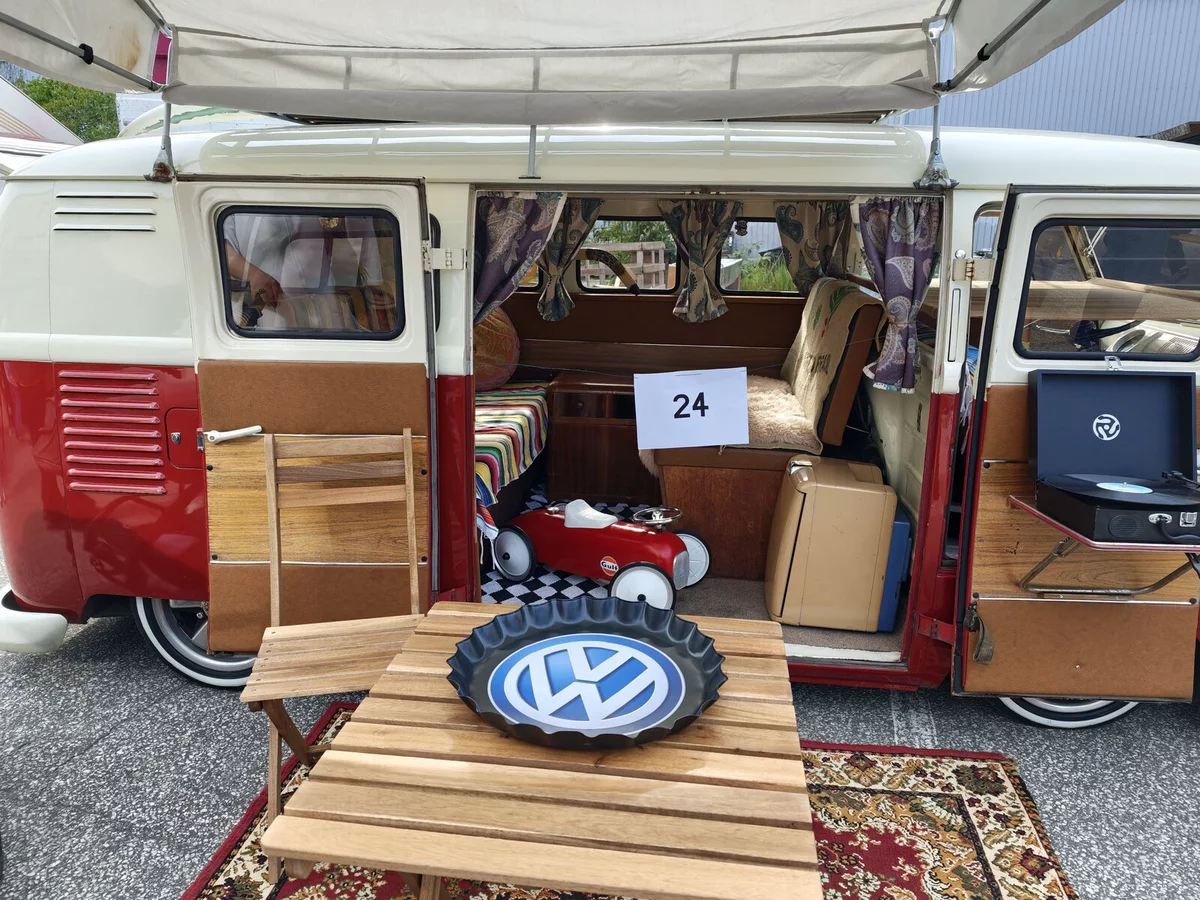
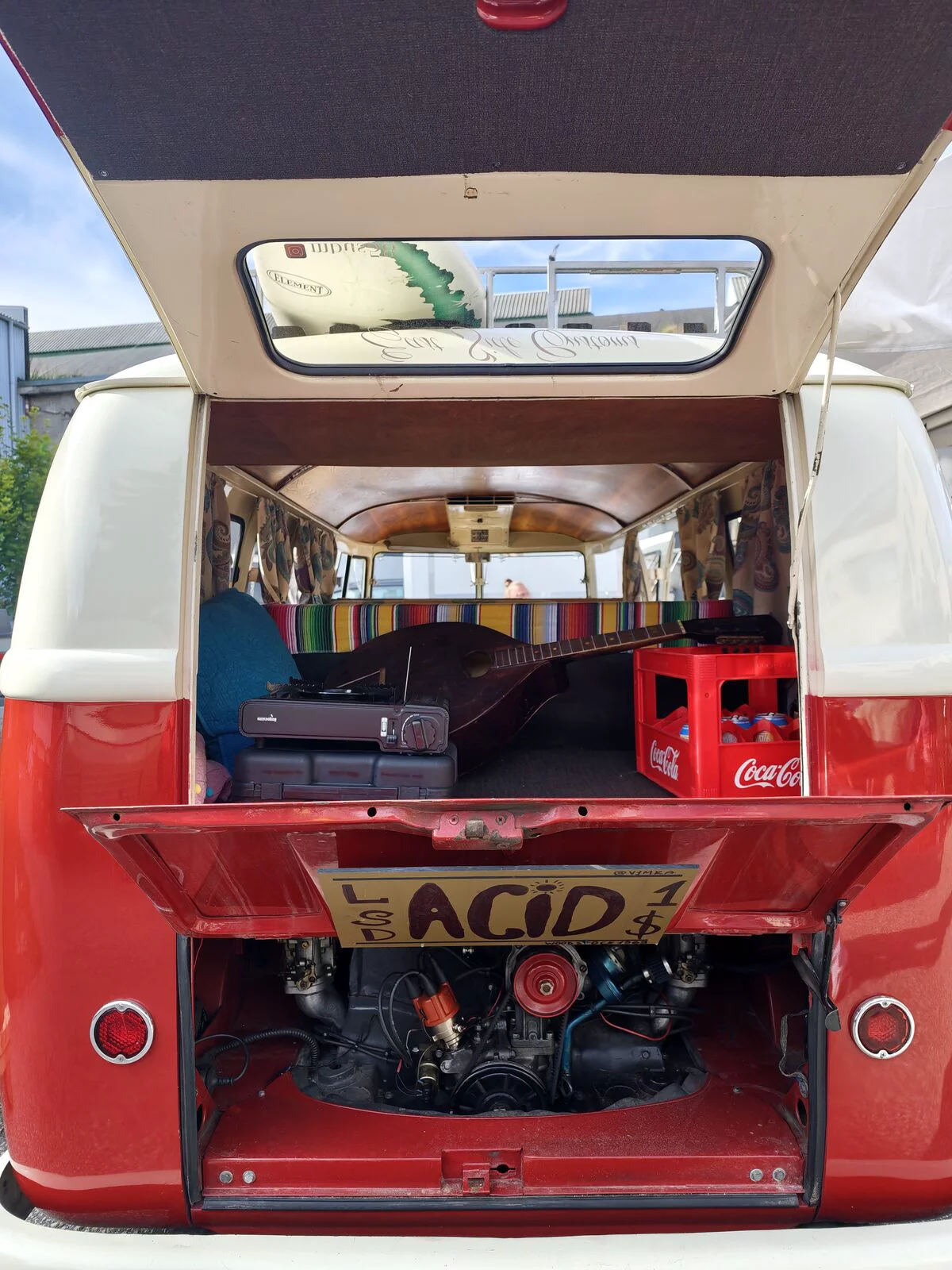
Vibe and nostalgia. A separate category is the people who leaned hard into atmosphere: playing with colour (red, yellow, light blue), vintage VW campers from the sixties to eighties, carpets, guitars, curtains. Practicality is clearly not the main criterion here.
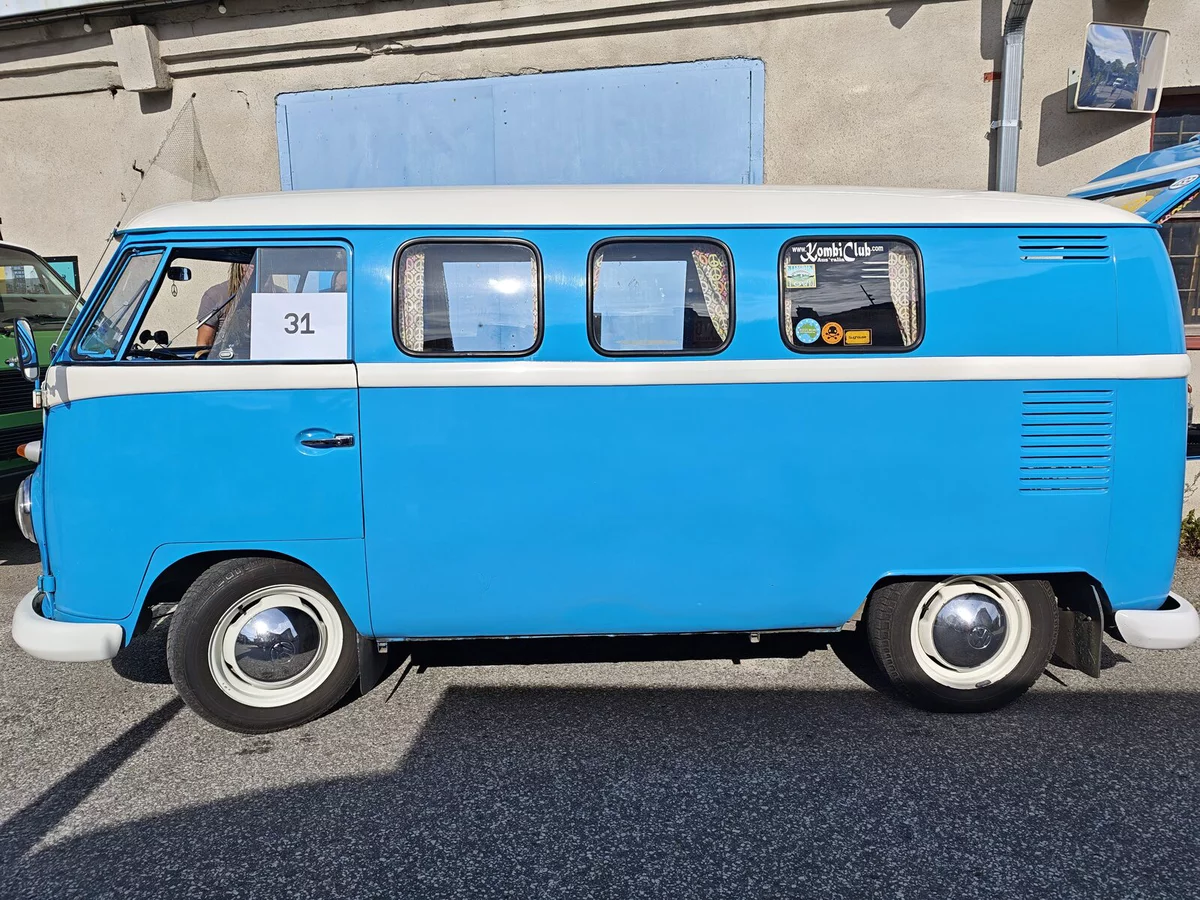
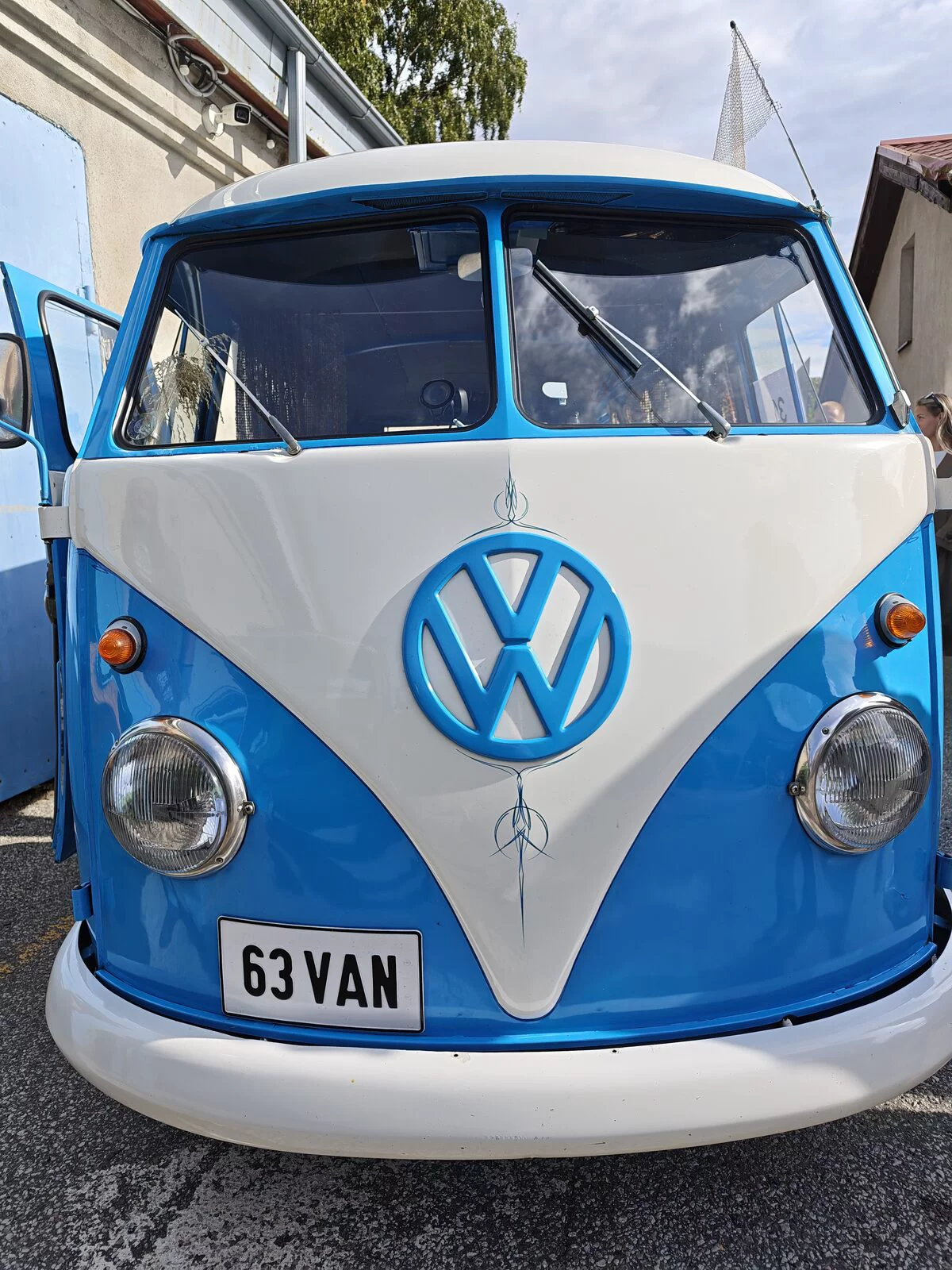
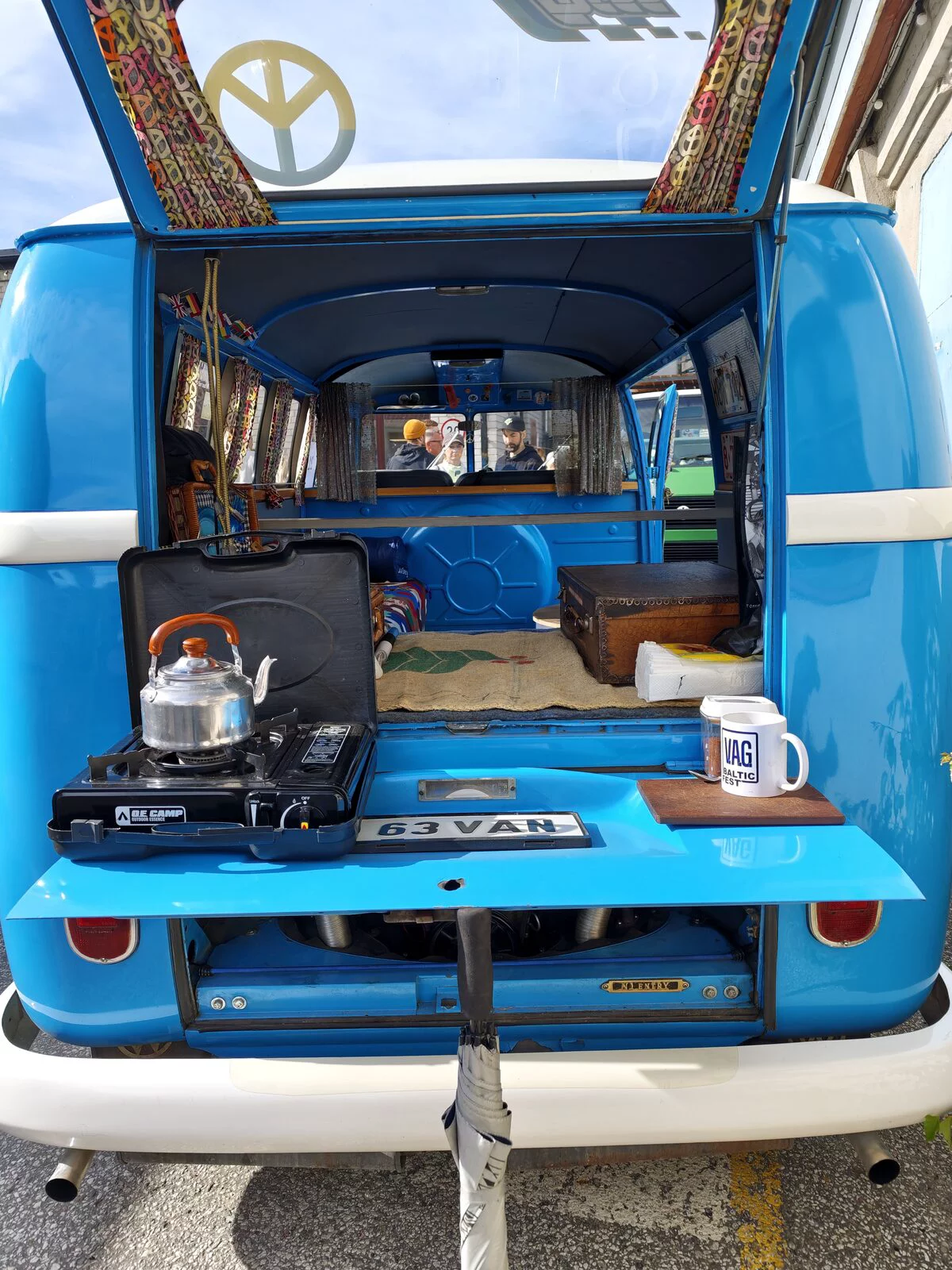
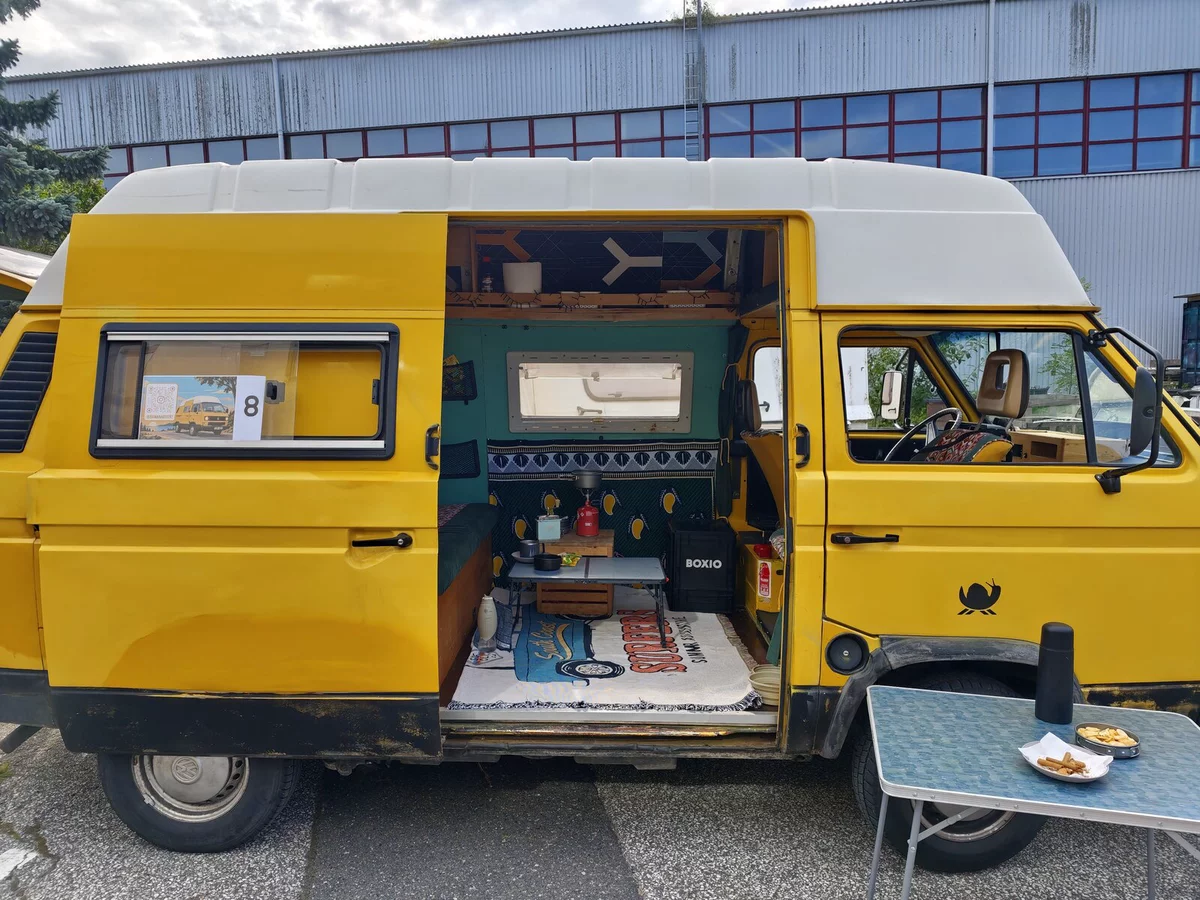
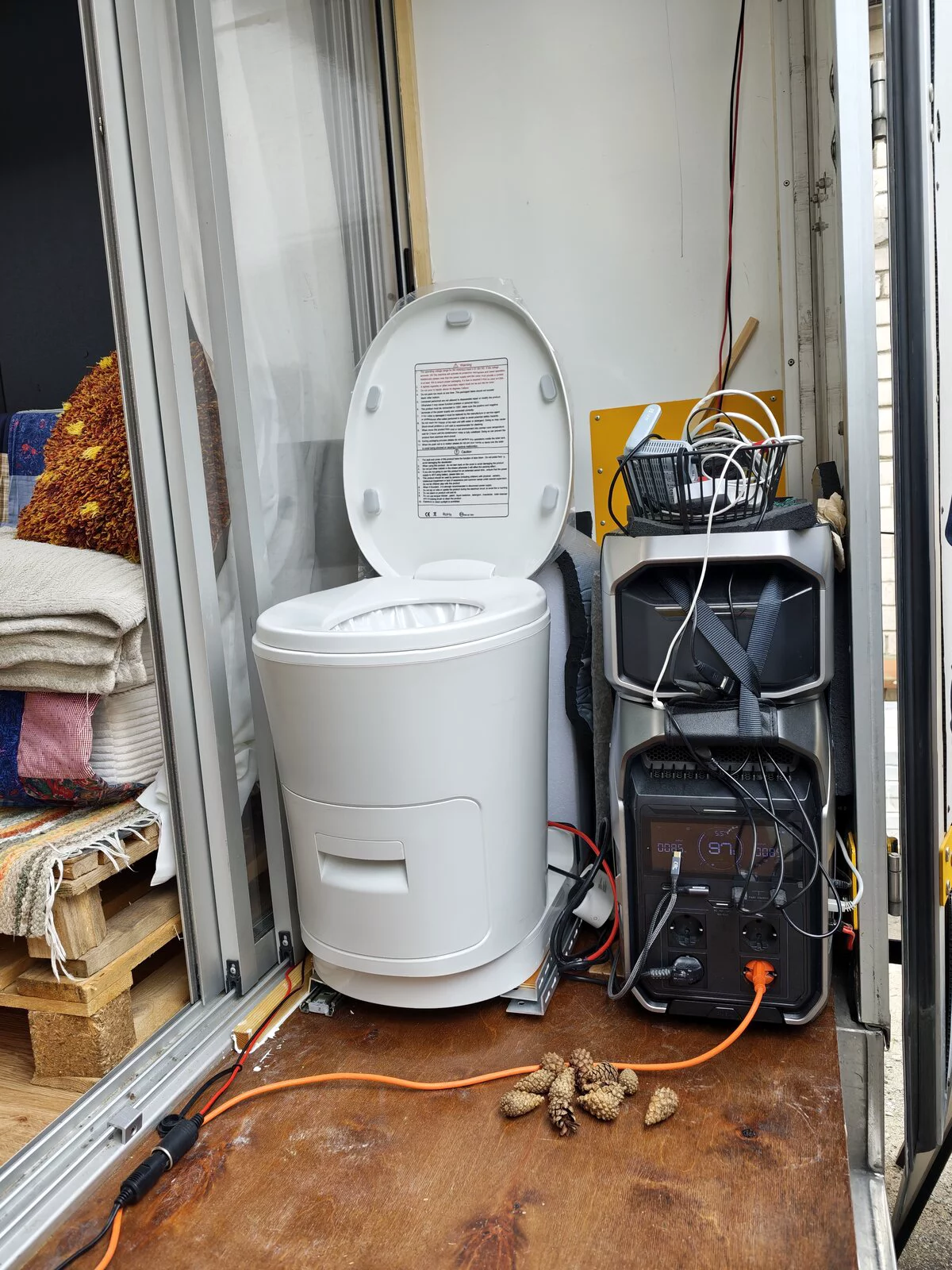
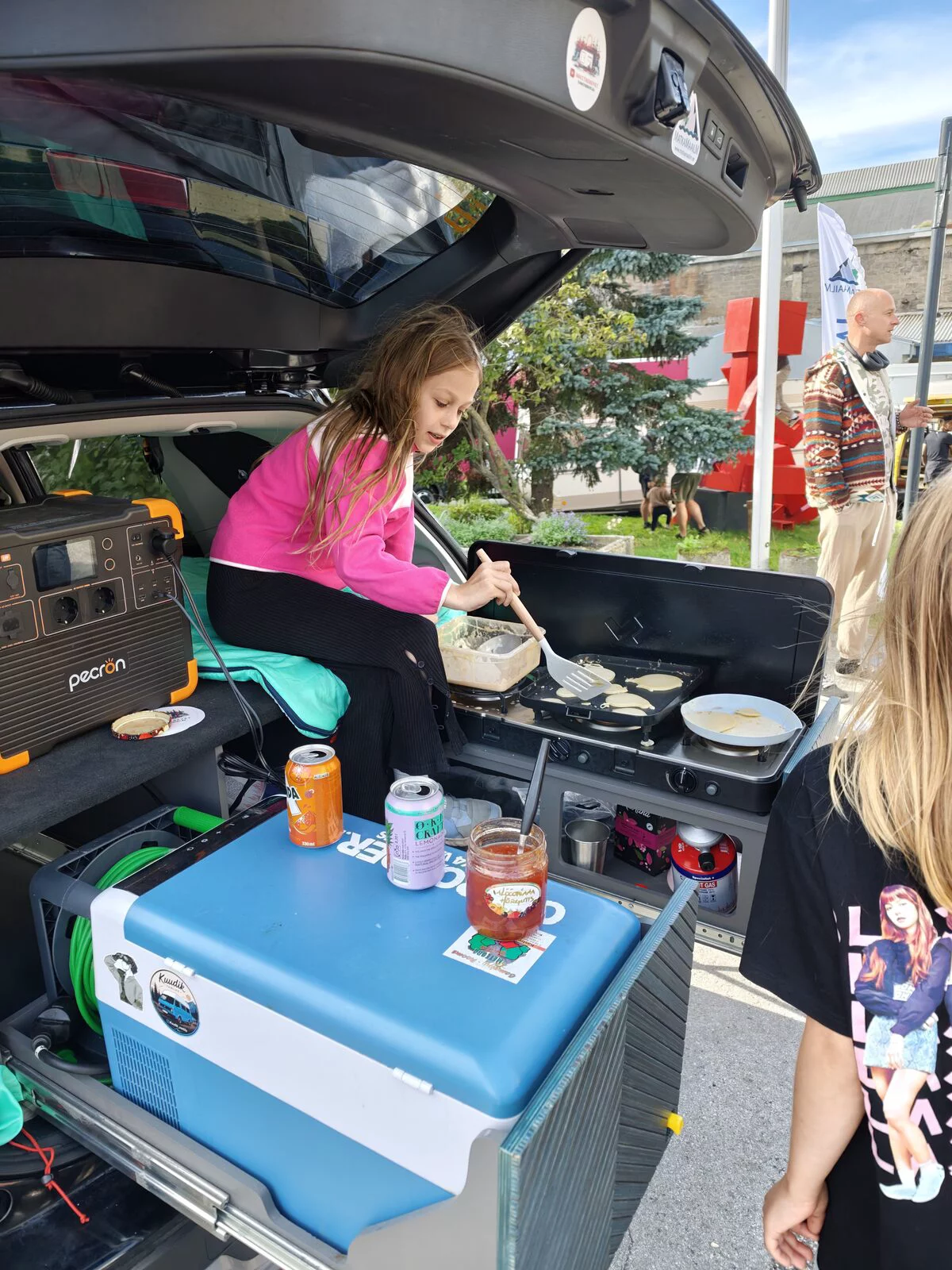
A crossover as a minimal camper. There was also a demonstration that an ordinary car is enough to start: a boot, a portable power station, a compressor fridge, a stove - and you can already cook pancakes.
Overall, there was something for everyone.
Pickup camper body (vehicle #22)
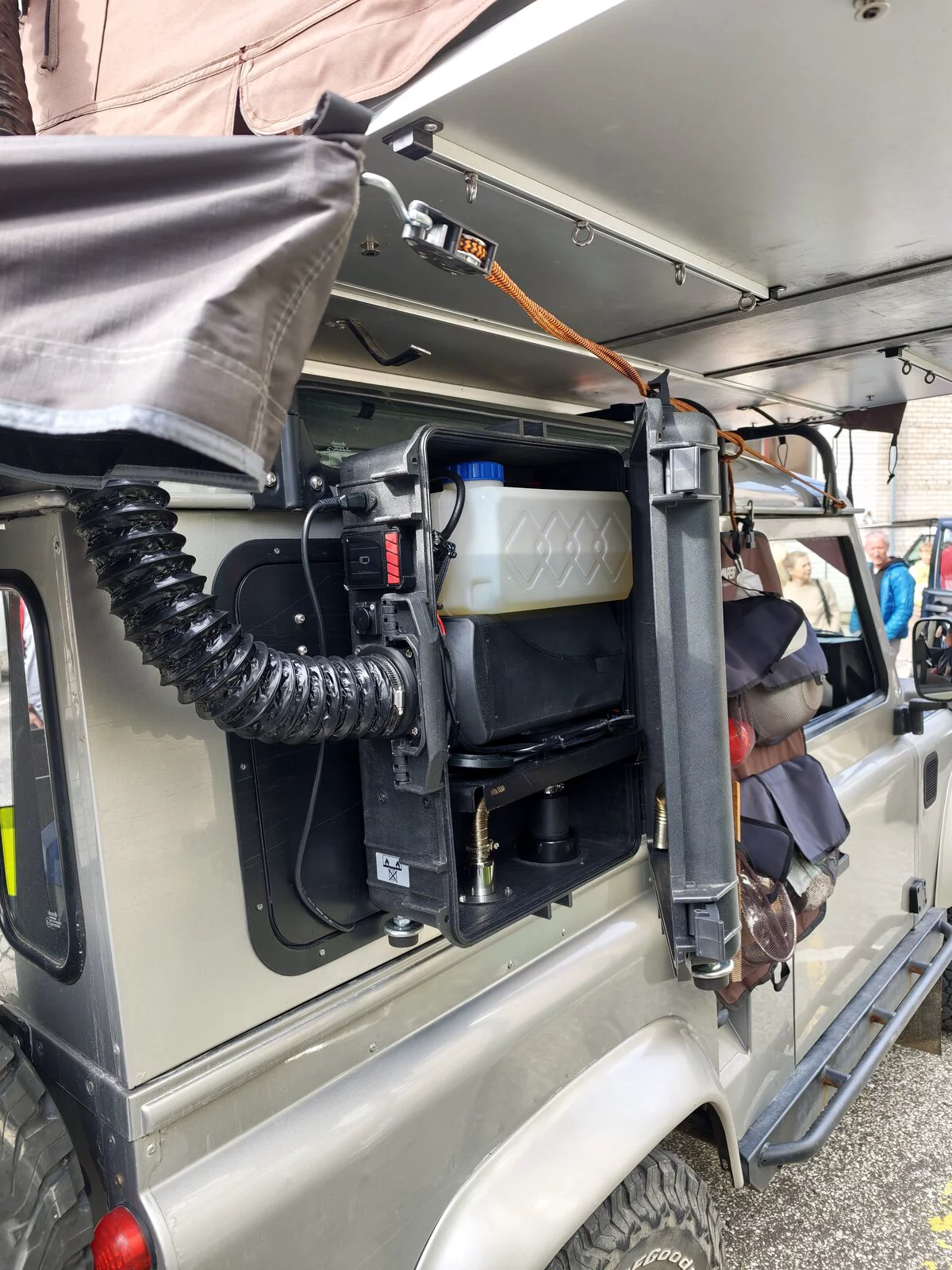
I particularly liked one living module built onto a pickup - at the festival it was number 22. Fully homemade, built over a year and a half.
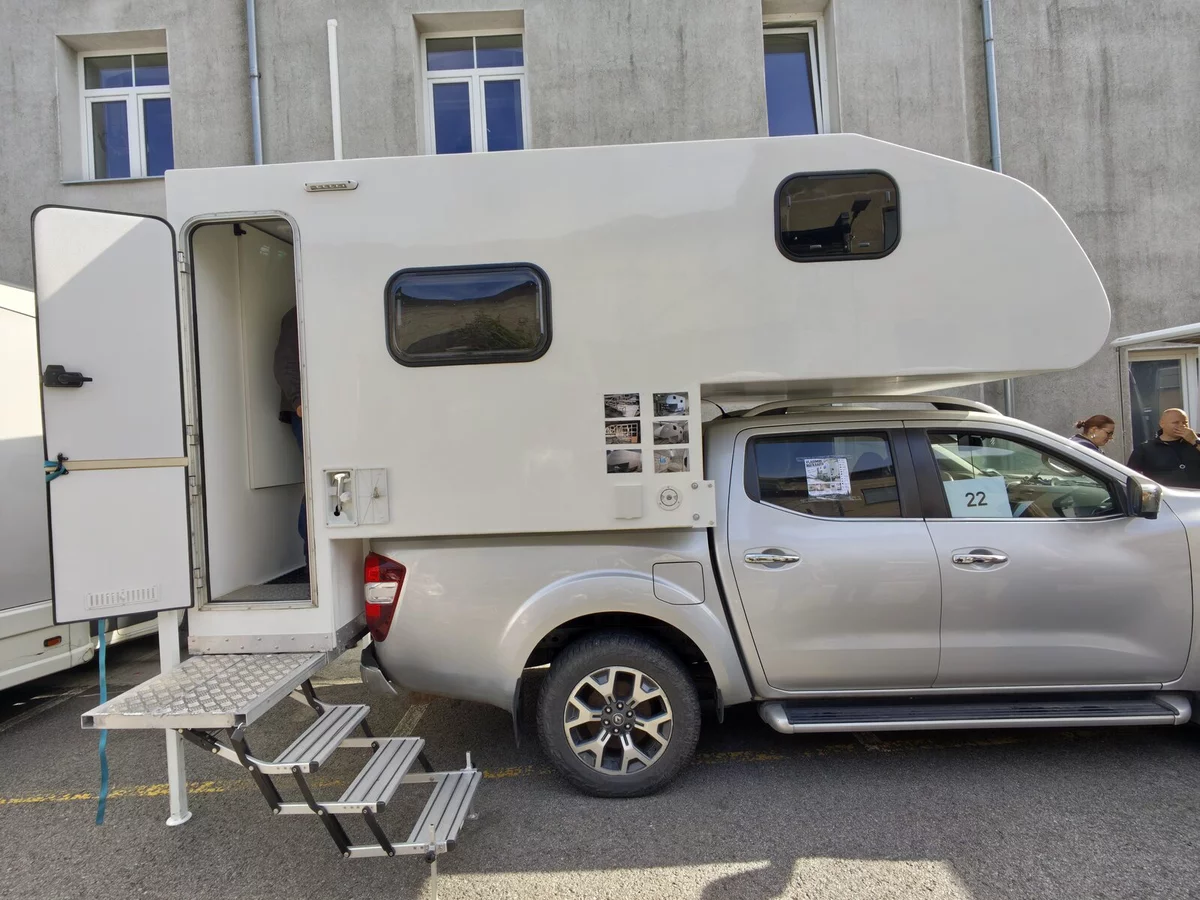
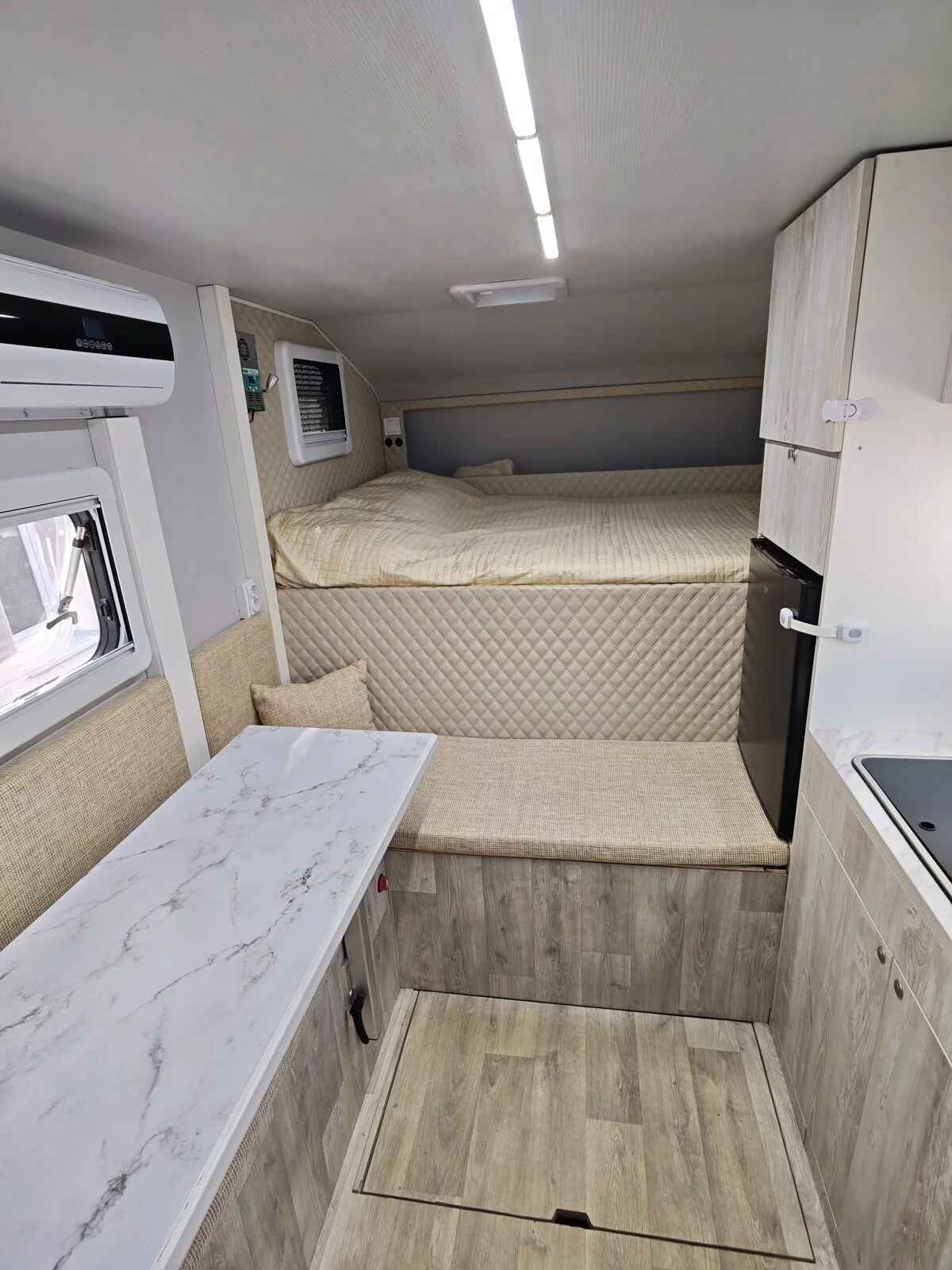
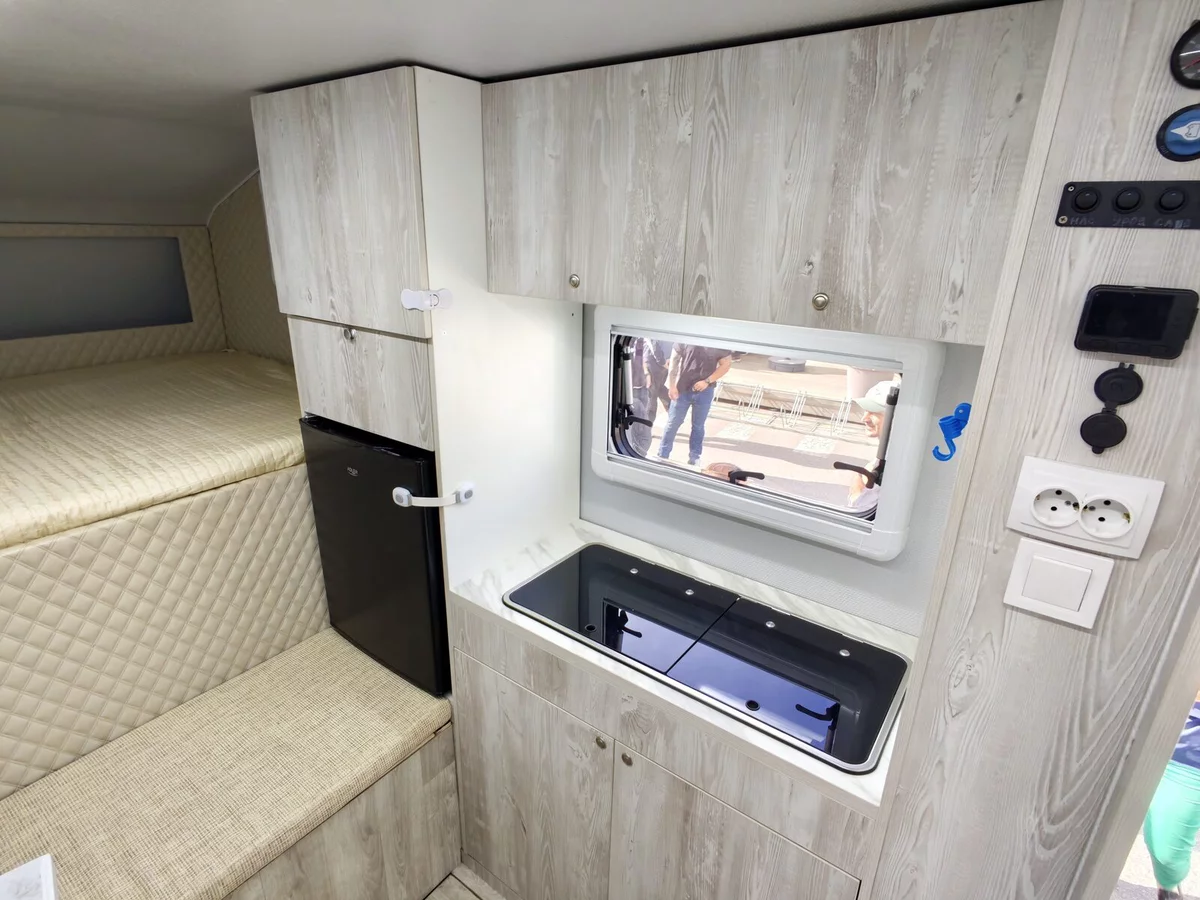
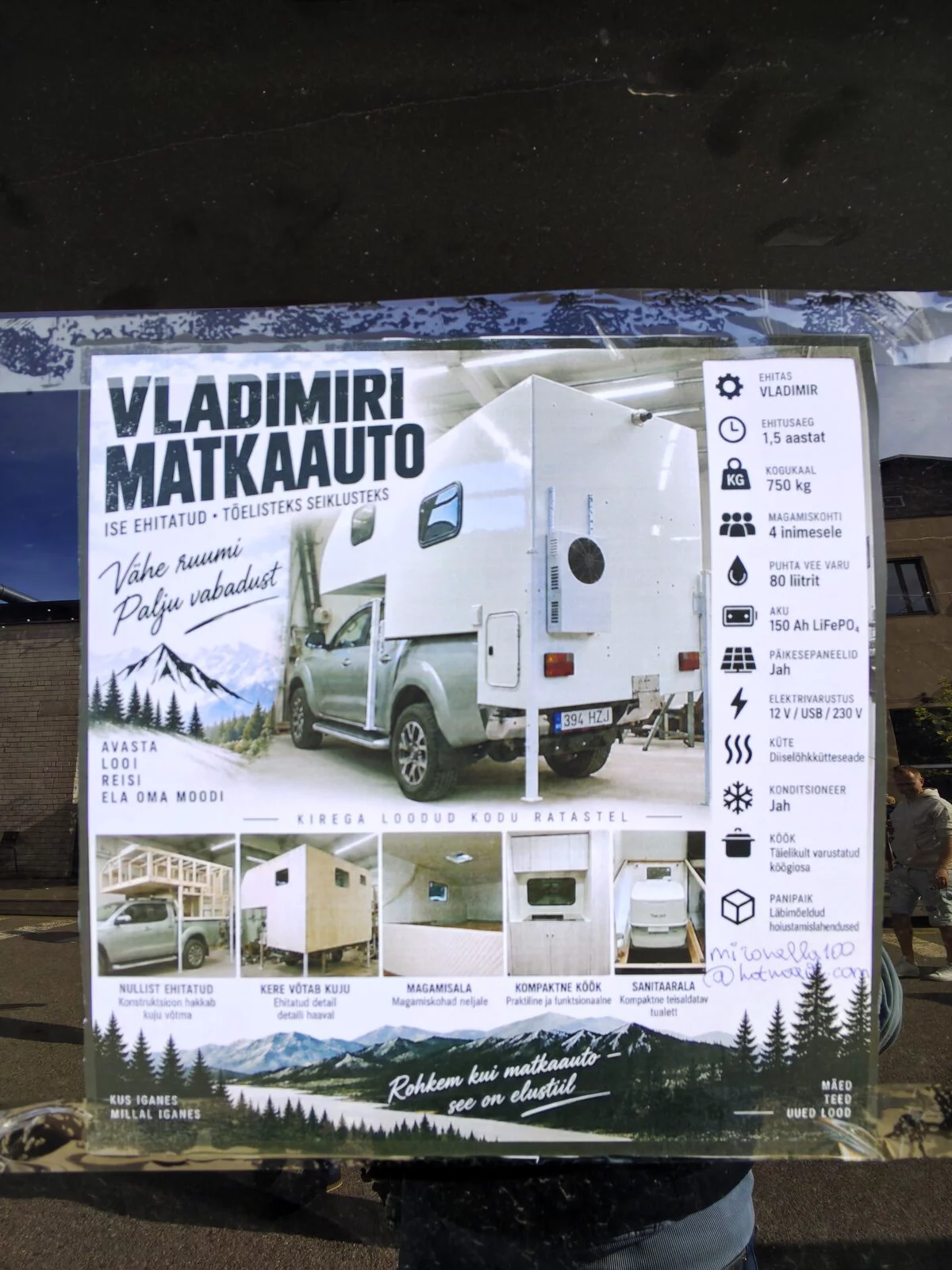
Specifications:
- 4 sleeping places
- 80 litres of fresh water
- 150 Ah LiFePO4 battery
- solar panels
- 12 V / USB / 230 V electrics
- diesel heater
- air conditioning
- fully equipped kitchen
- pass-through storage
- total weight around 750 kg
Builder's contact: mironella100@hotmail.com
The commercial side
I expected more commercial advertising there, but in practice there was not much of it:
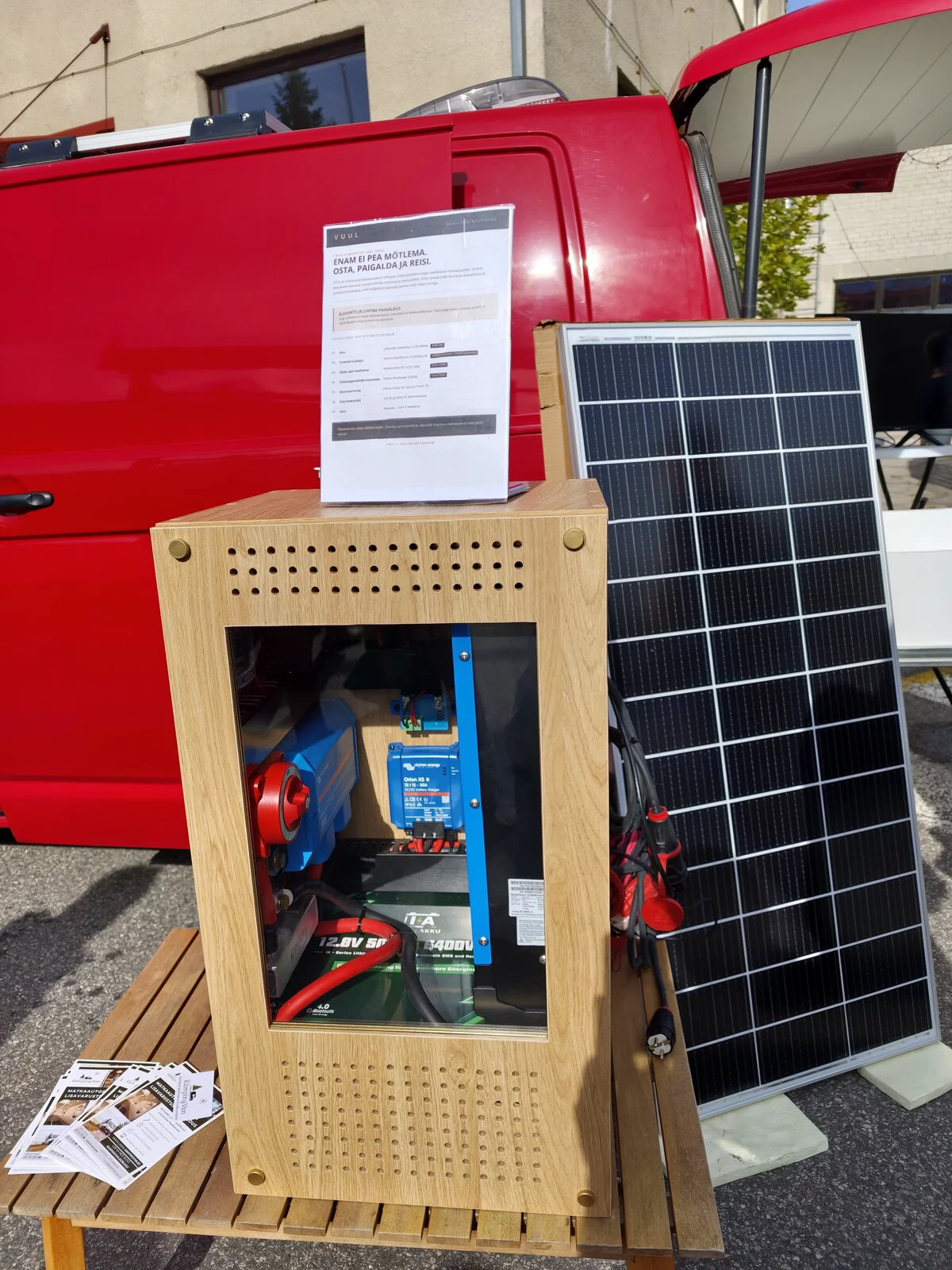
- KämpingVan - including their electrics, which I will actually need soon
- building a living module for a pickup (that same #22)
- sales of many of the campers on display - a fair share of the vehicles were not just on show, but had a price tag
Why this interests me professionally
Campers interest me because they are a complex construction - exactly like any information system. In both cases there is no "correct" solution, only a tradeoff between:
- price
- ease of building and maintenance
- convenience in daily use
- functionality
- size
- the ability to stealth park in a city
- heating
- the electrical system
- the water system
- connectivity
Add an air conditioner and a diesel heater and consumption grows, so you need a bigger battery and solar panels. Grow the battery and weight and price grow, while payload drops. Make the vehicle taller and more noticeable and you lose the ability to spend a night in a city unnoticed. Save on everything and you get a functional but faceless box you would not want to live in.
And on top of all these engineering compromises there is still the question of taste and design - the very thing people come to this festival to look at. Modern IT projects are exactly the same story: architectural decisions are made in the same field of tradeoffs, and how pleasant a system is to use is ultimately determined by the taste of the people who built it.